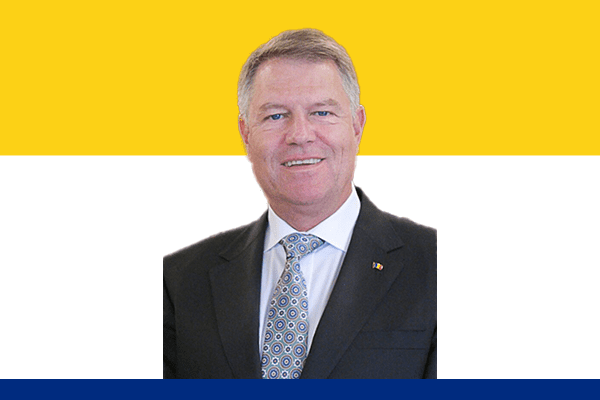
Early Life and Education
Klaus Iohannis was born on June 13, 1959, in Sibiu, Romania. He grew up in a family belonging to the German minority in Romania, specifically the Transylvanian Saxon community. His upbringing in a multicultural region influenced his worldview and later shaped his political philosophy.
Iohannis pursued higher education at Babeș-Bolyai University in Cluj-Napoca, where he studied physics. After completing his studies, he worked as a physics teacher in Sibiu. Teaching allowed him to build strong connections with the local community and develop leadership skills. His reputation for discipline and organization later helped him transition into public administration and politics.
Political Career and Rise to Leadership
Klaus Iohannis began his political career with the Democratic Forum of Germans in Romania (FDGR). His political journey gained momentum when he became the Mayor of Sibiu in 2000. As mayor, he focused on modernization, infrastructure development, and tourism promotion.
Under his leadership, Sibiu experienced significant economic and cultural growth. The city became one of Romania’s most attractive urban centers. In 2007, Sibiu was named the European Capital of Culture, which greatly increased international recognition and tourism. Iohannis’ administrative success strengthened his national reputation and established him as a capable leader.
His achievements in local governance eventually opened the door to national politics. He joined the National Liberal Party (PNL) and became an important political figure in Romania. Many political analysts praised his pragmatic approach and administrative experience.
Leadership Style and Policies
Klaus Iohannis promotes a leadership style based on stability, institutional strength, and cooperation with European partners. He strongly supports democratic institutions and the rule of law. Throughout his political career, he has encouraged government transparency and accountability.
Iohannis also supports closer integration with the European Union and NATO. He believes Romania should strengthen its international partnerships while improving domestic governance. His policies emphasize economic development, modernization of public institutions, and anti-corruption reforms.
Another important aspect of his leadership is his emphasis on education and innovation. Because of his background as a teacher, he consistently highlights the importance of improving Romania’s education system and investing in young people.
Role in Romanian Politics
As a national leader, Klaus Iohannis has played a significant role in shaping Romania’s political direction. He often acts as a stabilizing force during political crises. By promoting dialogue and cooperation between political parties, he has worked to maintain democratic balance in the country.
He has also represented Romania internationally, strengthening diplomatic relationships with European and global partners. His leadership has focused on reinforcing Romania’s image as a reliable member of the European and international community.
Legacy and Influence
Klaus Iohannis continues to influence Romanian politics through his commitment to democratic governance and modernization. His career demonstrates how local leadership can evolve into national influence when supported by strong administrative performance and public trust.
Through his dedication to transparency, European integration, and institutional reform, Iohannis has shaped contemporary Romanian politics. His leadership style reflects patience, strategic thinking, and a long-term vision for national development.