Early Life and Education
Pehr Evind Svinhufvud was born on December 15, 1861, in Sääksmäki, Finland, which was then part of the Russian Empire. He came from a noble Swedish-speaking Finnish family with a strong military tradition. His father died when he was young, and his mother raised him with discipline and determination.
He studied law at the University of Helsinki and graduated with a law degree in 1886. After completing his education, he worked as a lawyer and judge. His legal career strengthened his understanding of justice, governance, and constitutional rights.
Political Career and Resistance to Russian Rule
During the late nineteenth and early twentieth centuries, Russia increased its control over Finland. Svinhufvud strongly opposed these actions and defended Finnish autonomy. As a judge and politician, he openly resisted Russian interference in Finnish affairs.
He served in the Finnish Parliament and became one of the leading voices against Russification policies. Russian authorities considered him a threat because he encouraged Finnish nationalism and constitutional resistance. In 1914, the Russian government exiled him to Siberia because of his political activities.
However, the Russian Revolution of 1917 changed the situation dramatically. Svinhufvud returned to Finland as a national hero after the collapse of the Russian Empire.
Role in Finnish Independence
Pehr Evind Svinhufvud played a central role in Finland’s declaration of independence. In 1917, he became Chairman of the Finnish Senate, which functioned as the government of Finland. Under his leadership, the Senate officially declared Finland independent from Russia on December 6, 1917.
He worked actively to gain international recognition for Finland’s independence. His determination and diplomatic efforts helped Finland establish itself as a sovereign nation during a period of political uncertainty.
Leadership During the Finnish Civil War
Soon after independence, Finland faced a civil war between the conservative White forces and the socialist Red forces in 1918. Svinhufvud supported the White side, which aimed to preserve democratic government and national independence.
After the Whites achieved victory, Finland experienced deep political divisions. Svinhufvud encouraged national unity and reconstruction. Although tensions remained high, he promoted stability and lawful governance to strengthen the young republic.
Presidency of Finland
In 1931, Pehr Evind Svinhufvud became President of Finland. During his presidency, he focused on protecting democracy and maintaining order. One of his greatest achievements came during the Mäntsälä Rebellion in 1932, when a far-right nationalist movement threatened the Finnish government.
Instead of using force alone, Svinhufvud addressed the nation through a radio speech. He urged the rebels to respect the law and end the uprising peacefully. His calm and firm leadership successfully prevented a larger crisis and strengthened Finnish democracy.
He also supported economic recovery and national defense during a period of growing political tension in Europe.
Personal Life and Character
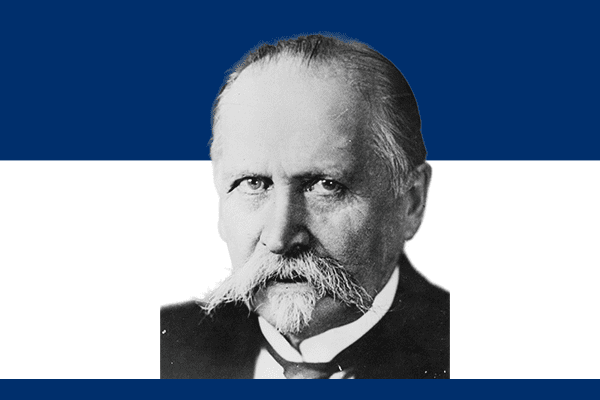
Svinhufvud married Ellen Timgren, and together they built a strong family life. People admired him for his honesty, determination, and sense of duty. His long beard and serious appearance made him one of the most recognizable political figures in Finnish history.
Despite his strict personality, he remained deeply committed to Finland’s independence and democratic system. Many citizens respected him as a patriotic leader who placed national interests above personal ambition.
Legacy and Historical Importance
Pehr Evind Svinhufvud left a lasting impact on Finnish history. He guided Finland through independence, civil conflict, and democratic challenges. His leadership helped shape the foundations of the modern Finnish state.
Today, historians remember him as a courageous statesman who defended constitutional government and national sovereignty. His efforts during Finland’s early years continue to inspire future generations.
Conclusion
Pehr Evind Svinhufvud dedicated his life to protecting Finland’s freedom and democracy. Through active leadership, political courage, and strong national commitment, he became one of Finland’s most important historical figures. His legacy remains deeply connected to the birth and survival of independent Finland.