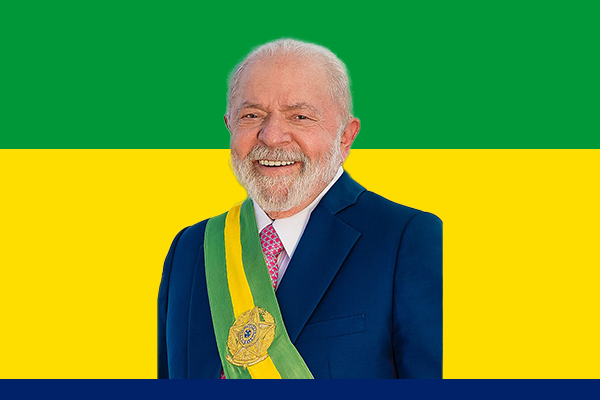
Early Life and Rise to Leadership
Luiz Inácio Lula da Silva, widely known as “Lula,” was born on October 27, 1945, in Caetés, Pernambuco, Brazil. Growing up in poverty, he worked as a shoeshine boy and metalworker to support his family. Despite limited education, Lula developed a strong sense of justice and empathy for the working class. He joined the labor movement in the 1970s, where he led major strikes against the military dictatorship. Through his courage and dedication, he became a prominent voice for workers’ rights in Brazil. His leadership in the labor union earned him national attention and helped him establish the Workers’ Party (PT) in 1980.
Path to the Presidency
Lula ran for president three times before achieving victory in 2002. The Brazilian people trusted his vision for social change and economic progress. When he took office in 2003, Lula promised to reduce poverty, expand education, and create jobs. He focused on uniting Brazil’s diverse population by promoting policies that benefited the poor and middle class alike. Under his leadership, millions of Brazilians rose out of poverty. Lula’s administration expanded access to housing, healthcare, and education while maintaining steady economic growth.
Social and Economic Reforms
As president, Lula implemented landmark social programs such as Bolsa Família, which provided financial support to low-income families. This initiative allowed millions of children to stay in school and improved living conditions across Brazil. He also strengthened the Zero Hunger campaign to ensure that no Brazilian went to bed hungry.
Economically, Lula encouraged investment, increased exports, and maintained fiscal responsibility. His government balanced economic growth with social welfare, which earned Brazil international recognition as a model for emerging economies. During his presidency, Brazil’s economy became one of the world’s largest, and the country gained greater influence on the global stage.
International Leadership and Diplomacy
Lula elevated Brazil’s presence in international politics. He built strong relationships with other developing nations and emphasized South-South cooperation. Through diplomacy, he strengthened ties with countries in Africa, Asia, and Latin America. He also advocated for fair trade and global economic reform. Lula’s charisma and negotiation skills made him a respected figure in world politics. Under his leadership, Brazil played a more active role in organizations such as the United Nations and the G20.
Challenges and Controversies
Despite his success, Lula’s presidency faced challenges. Allegations of corruption within his party affected public trust, even though he personally maintained a strong image as a leader who fought for the poor. After leaving office in 2011, Lula faced legal troubles, including charges related to corruption. However, Brazil’s Supreme Court later annulled his convictions, allowing him to return to politics.
Return to Leadership and Continued Influence
In 2023, Lula made a remarkable political comeback when he won another presidential election. He returned to office with renewed determination to protect democracy, fight inequality, and address environmental issues in the Amazon rainforest. His leadership once again focused on unity and rebuilding Brazil’s global reputation.
Legacy and Impact
President Luiz Inácio Lula da Silva remains a symbol of hope and perseverance for millions. He proved that a person from humble beginnings could rise to the highest position in the country through hard work and dedication. His policies lifted millions out of poverty and inspired future generations to believe in equality and justice.