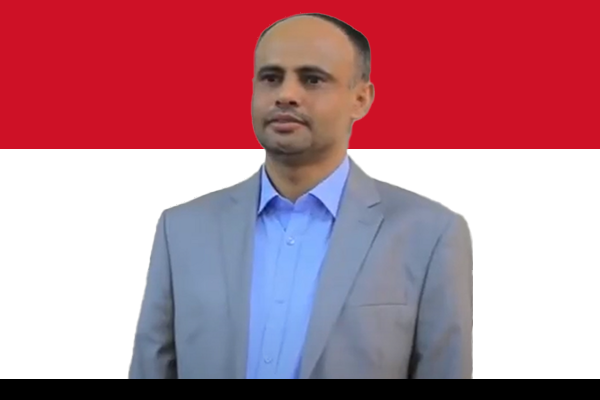
Early Life and Background
Mahdi Muhammad Husayn al-Mashat was born in Yemen and emerged from a social and political environment deeply influenced by tribal traditions and regional dynamics. From an early stage, he became involved in political and revolutionary activities associated with the Houthi movement. His rise within the movement reflected his organizational skills, loyalty to its leadership, and ability to communicate political goals effectively. Over time, al-Mashat gained recognition as a disciplined and strategic figure capable of handling complex political responsibilities.
Rise to Political Leadership
Al-Mashat’s political prominence increased during the Yemeni conflict that escalated after 2014. As the Houthis expanded their control over large parts of northern Yemen, the need for an organized governing authority became clear. In 2018, Mahdi al-Mashat was appointed as the Head of the Supreme Political Council, replacing his predecessor at a critical moment in the conflict. His appointment marked a shift toward consolidating governance and presenting a unified political leadership structure in areas under Houthi control.
Role as Head of the Supreme Political Council
As President of the Supreme Political Council, al-Mashat functions as the de facto head of state in Houthi-controlled regions. His role includes overseeing political administration, coordinating with military leadership, and representing Yemen in diplomatic messaging. He emphasizes sovereignty, resistance to foreign intervention, and the right of Yemenis to determine their own political future. Under his leadership, the council has attempted to manage state institutions, maintain internal security, and ensure basic governance despite severe economic and humanitarian challenges.
Political Vision and Governance Style
Mahdi al-Mashat presents himself as a leader focused on national independence and political resilience. His speeches often highlight unity, self-reliance, and opposition to external influence in Yemeni affairs. He supports dialogue as a path to ending the conflict but insists that negotiations must respect Yemen’s sovereignty. His governance style blends revolutionary rhetoric with administrative control, aiming to maintain public support while navigating wartime realities.
Challenges and International Context
Al-Mashat’s presidency exists within a highly complex international environment. Yemen remains divided, with multiple political authorities and ongoing negotiations for peace. Economic collapse, humanitarian suffering, and infrastructure damage pose enormous challenges to effective governance. International reactions to his leadership vary widely, reflecting broader disagreements over the legitimacy of different Yemeni political actors. Despite these obstacles, al-Mashat continues to position himself as a central figure in Yemen’s political future.
Conclusion
President Mahdi al-Mashat has become a defining figure in Yemen’s modern political landscape. As Head of the Supreme Political Council, he plays a crucial role in decision-making, governance, and representation during one of the most turbulent periods in the country’s history. His leadership reflects both the aspirations and the struggles of a nation seeking stability, sovereignty, and peace amid prolonged conflict.