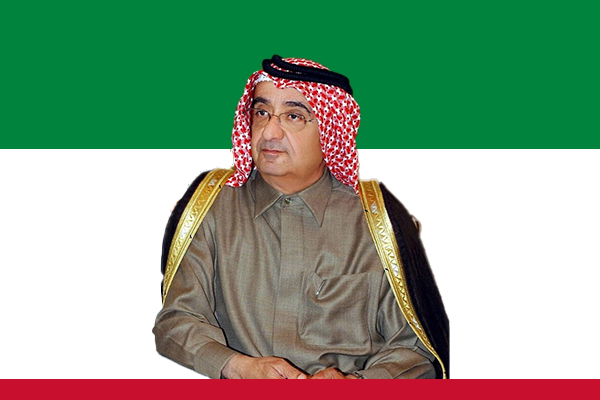
Mr. Maktoum bin Rashid Al Maktoum
In Office: 2 November 2004 – 3 November 2004
Political Party: Emirate of Abu Dhabi
Home State: Abu Dhabi
Lifespan: 1943–2006
Country: United Arab Emirates
Image credits available here.
Early Life and Education
Maktoum bin Rashid Al Maktoum was born in 1943 into the ruling Al Maktoum family of Dubai. From an early age, he received education that combined traditional values with modern administrative knowledge. His upbringing prepared him for leadership responsibilities by emphasizing governance, diplomacy, and service to the people. This balanced foundation later shaped his calm, pragmatic, and consensus-oriented style of rule.
Rise to Leadership
Before becoming the Ruler of Dubai, Maktoum bin Rashid held several important governmental roles. He served as the first Prime Minister of the UAE after the federation was established in 1971, a position that demonstrated the trust placed in him by the founding leaders. In 1990, following the death of his brother Sheikh Rashid bin Saeed Al Maktoum, he assumed the role of Ruler of Dubai. In 1995, he also became Vice President of the UAE, reinforcing his central role in federal governance.
Role as Prime Minister and Vice President
As Prime Minister, Maktoum bin Rashid Al Maktoum focused on strengthening federal unity and improving coordination among the emirates. He supported policies that promoted economic development, infrastructure growth, and administrative efficiency. His leadership emphasized stability, cooperation, and gradual reform, helping the UAE navigate regional challenges while maintaining internal harmony.
Leadership in Dubai
During his rule, Dubai continued its journey toward becoming a global city. Maktoum bin Rashid supported economic diversification, international trade, and financial sector development. While he maintained a low public profile, he actively encouraged modernization initiatives and empowered capable leaders to implement ambitious projects. His governance style favored delegation, long-term planning, and institutional strength over personal publicity.
Vision for Economic and Social Development
Maktoum bin Rashid believed that sustainable progress depended on strong institutions, education, and economic openness. He supported policies that attracted international investment and expanded Dubai’s role as a commercial and financial hub. At the same time, he valued social stability, cultural heritage, and the welfare of Emirati citizens, ensuring that rapid growth did not come at the cost of national identity.
Personal Traits and Leadership Style
Known for his reserved and thoughtful personality, Maktoum bin Rashid Al Maktoum avoided the spotlight and preferred quiet decision-making. He earned respect for his integrity, patience, and strategic thinking. His leadership reflected a deep sense of responsibility toward both Dubai and the wider UAE federation.
Legacy and Death
Maktoum bin Rashid Al Maktoum passed away in January 2006. His death marked the end of an important era in Dubai’s leadership. He left behind a legacy of stability, institutional development, and steady modernization. His contributions as Ruler of Dubai, Prime Minister, and Vice President continue to influence the UAE’s governance model and development path.
Conclusion
Maktoum bin Rashid Al Maktoum remains remembered as a key architect of the UAE’s federal stability and Dubai’s growth. Through calm leadership, strategic vision, and commitment to unity, he helped shape the foundations of a modern, prosperous nation.