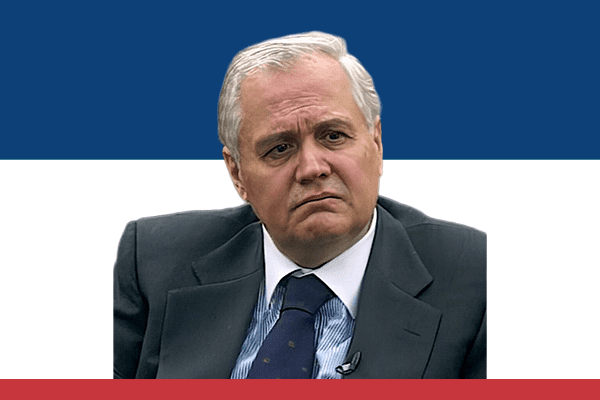
Early Life and Education
Milan Milutinović was born on December 19, 1942, in Belgrade, which was then part of Yugoslavia. He pursued his education at the University of Belgrade, where he studied law. His academic background prepared him for a career in public service and diplomacy.
He began his professional journey in media and politics, working as a journalist and later moving into governmental roles. His early exposure to communication and governance helped him develop strong diplomatic and leadership skills.
Political Career
Milutinović built his political career within the Socialist Party of Serbia, led by Slobodan Milošević. He held several significant positions before becoming president. He served as Serbia’s Ambassador to Greece and later as the Minister of Foreign Affairs of the Federal Republic of Yugoslavia.
As Foreign Minister, he actively engaged in international diplomacy. He represented Yugoslavia in negotiations and worked to maintain foreign relations during a period marked by sanctions and political tensions. His diplomatic efforts placed him at the center of international discussions concerning the Balkans.
Presidency of Serbia
In 1997, Milan Milutinović assumed office as the President of Serbia. He carried out largely ceremonial duties, as real political power remained concentrated in the federal leadership under Milošević. Despite this limitation, he actively represented Serbia in official functions and maintained the state’s institutional continuity.
During his presidency, Serbia faced major challenges, including the Kosovo conflict and increasing international pressure. Milutinović participated in diplomatic talks and represented Serbia in negotiations with international organizations. He played a visible role in attempts to resolve the crisis, even though the broader political situation remained complex.
International Legal Challenges
After his presidency, Milutinović faced serious legal challenges. The International Criminal Tribunal for the former Yugoslavia (ICTY) indicted him on charges related to war crimes during the Kosovo conflict. He voluntarily surrendered to the tribunal in 2003, demonstrating cooperation with international legal processes.
During the trial, he defended himself against the allegations. In 2009, the ICTY acquitted him of all charges, concluding that the evidence did not prove his direct responsibility for the crimes. This acquittal marked a significant moment in his life and shaped public perceptions of his role during the conflict.
Later Life
Following his acquittal, Milan Milutinović returned to Serbia and largely withdrew from active politics. He maintained a low public profile and avoided direct involvement in political affairs. His later years reflected a shift away from the intense political environment that had defined his earlier career.
Legacy and Significance
Milan Milutinović’s legacy remains closely tied to a complex and controversial period in Balkan history. He contributed to diplomacy and governance during times of crisis and maintained Serbia’s presence in international affairs. His presidency highlighted the challenges of leadership in a politically constrained system.
While debates continue about the broader political context of his tenure, his acquittal by the ICTY reinforced the importance of legal accountability and due process. His career demonstrates how political leaders navigate both national responsibilities and international scrutiny.
Conclusion
Milan Milutinović stands as a significant figure in late 20th-century Serbian politics. He actively served his country in diplomatic and presidential roles during a challenging era. His life and career reflect the intersection of politics, conflict, and international law in modern European history.