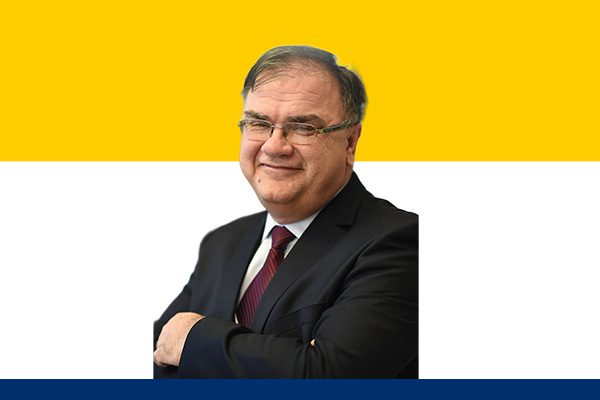
Mr. Mladen Ivanic
In Office: 17 November 2014 – 20 November 2018
Political Party: Independent Social Democrats
Home State: Sanski Most
Lifespan: born 1958
Country: Bosnia & Herzegovina
Image credits available here.
Early Life and Education
Mladen Ivanić was born on 16 September 1958 in Sanski Most, Bosnia and Herzegovina, which was then part of the former Yugoslavia. He completed his higher education at the Faculty of Economics of the University of Banja Luka. After graduating, he continued his academic studies and earned advanced degrees in economics. Before entering politics, Ivanić worked as a university professor, teaching economics and contributing to academic research. His educational background provided him with a strong understanding of financial and economic policies.
Beginning of Political Career
Mladen Ivanić entered politics during the 1990s, a period of major political and social changes in the Balkans. He became one of the founders of the Party of Democratic Progress (PDP), a political party that promoted democratic values, economic development, and institutional reforms. His practical approach and economic expertise quickly made him one of the party’s leading figures.
He actively participated in shaping public policies and encouraged cooperation among different political groups to promote peace and stability in Bosnia and Herzegovina.
Service as Prime Minister
From 2001 to 2003, Mladen Ivanić served as the Prime Minister of Republika Srpska. During his tenure, he introduced economic reforms aimed at improving public administration, attracting investment, and strengthening the financial system. His government worked to improve transparency and increase cooperation with international organizations.
He also emphasized responsible governance and sought to create better opportunities for economic growth while maintaining political stability.
Presidency of Bosnia and Herzegovina
In 2014, Mladen Ivanić was elected as the Serb member of the Presidency of Bosnia and Herzegovina, serving until 2018. During his time in office, he represented the interests of Republika Srpska while supporting dialogue among the country’s different ethnic communities.
He worked to strengthen diplomatic relations with neighboring countries and international partners. His presidency focused on maintaining peace, encouraging cooperation, and improving Bosnia and Herzegovina’s international reputation.
Leadership Style and Political Views
Mladen Ivanić has been recognized for his moderate and pragmatic leadership style. He has consistently supported democratic institutions, economic modernization, and peaceful political dialogue. Rather than promoting confrontation, he has encouraged negotiation and compromise to resolve political disagreements.
His background as an economist has influenced many of his policy decisions, particularly those related to fiscal responsibility, investment, and sustainable economic development.
Legacy and Influence
Mladen Ivanić remains an influential figure in Bosnian politics. His contributions to economic policy, democratic governance, and regional cooperation have left a lasting impact on Bosnia and Herzegovina. Many political observers appreciate his efforts to promote stability during challenging periods in the country’s history.
Although political opinions about his leadership vary, his dedication to public service and institutional development continues to be acknowledged. His career reflects the importance of experience, education, and constructive dialogue in shaping modern governance.
Conclusion
Mladen Ivanić has built a distinguished career as an economist, professor, and political leader. From his early academic achievements to his service as Prime Minister of Republika Srpska and member of the Presidency of Bosnia and Herzegovina, he has contributed significantly to the country’s political and economic development. His emphasis on democratic values, economic reform, and peaceful cooperation has made him one of the notable political figures in Bosnia and Herzegovina’s contemporary history. His legacy continues to influence discussions on governance, reform, and regional stability.