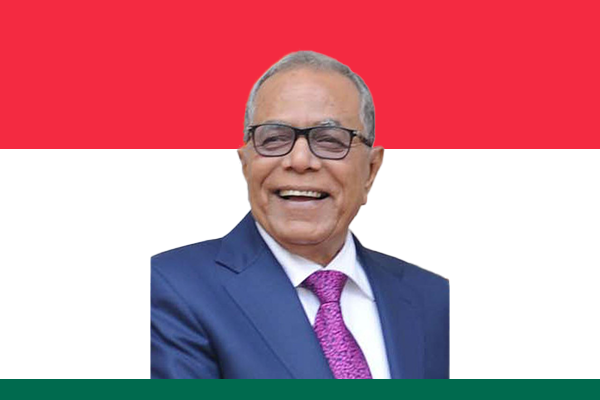
Mr. Mohammad Abdul Hamid
In Office: 14 March 2013 – 24 April 2023
Political Party: Awami League
Home State: Mithamoin
Lifespan: born 1944
Country: Bangladesh
Image credits available here.
Early Life and Education
Mohammad Abdul Hamid was born on January 1, 1944, in Kamalpur, Kishoreganj. He grew up in a humble family that valued community service. As a young student, he showed a deep interest in social issues and local leadership. He completed his early education in Kishoreganj and later attended Gurudayal Government College. His early exposure to political activism shaped his commitment to public service.
Entry into Politics
Hamid entered politics at a young age by joining the Awami League’s student wing. He actively participated in political movements that demanded justice and democracy. His strong leadership qualities helped him rise rapidly within the party. In 1970, he won a seat in the Pakistan National Assembly, marking the beginning of his national political career. After Bangladesh gained independence in 1971, he continued to serve the nation through active involvement in parliamentary affairs.
Role in the Liberation War
During the Liberation War, he supported the independence movement with determination. Although circumstances forced him to operate under challenging conditions, he contributed to the cause by organizing local resistance and mobilizing support for freedom fighters. His involvement during this crucial period strengthened his reputation as a committed nationalist.
Parliamentary Leadership
After independence, Hamid secured election to the Jatiya Sangsad (National Parliament) multiple times. He built strong relationships with his constituents by prioritizing local development and public welfare. His calm demeanor and ability to resolve conflicts helped him gain respect across party lines.
In 2009, the parliament elected him as Deputy Speaker. He performed his duties with fairness and integrity, ensuring smooth parliamentary proceedings. In 2013, he became the Speaker of the Jatiya Sangsad. He oversaw important legislative debates and encouraged democratic practices within parliament. His leadership earned admiration from both ruling and opposition MPs.
Becoming President of Bangladesh
In 2013, the members of parliament elected Mohammad Abdul Hamid as the President of Bangladesh. He brought decades of political and parliamentary experience to the presidency. His modest personality, deep understanding of governance, and commitment to democracy strengthened his role as the head of state.
In 2018, he secured a second term as president. His re-election demonstrated the nation’s confidence in his steady leadership and unwavering dedication to public service.
Leadership Style and Contributions
As president, Hamid focused on unity, stability, and national harmony. He encouraged cooperation among political parties and promoted democratic values. He actively engaged with national institutions and supported initiatives that strengthened good governance.
He frequently attended national ceremonies, development programs, and cultural events to inspire citizens and honor their contributions. He used his speeches to remind the nation about the importance of peace, tolerance, and patriotism.
Hamid also emphasized the importance of education and youth empowerment. He believed that Bangladesh’s progress depended on informed and skilled citizens. By motivating the younger generation, he hoped to create a future built on equality, opportunity, and innovation.
International Representation
As head of state, he represented Bangladesh in international events and diplomatic functions. He welcomed global leaders and encouraged stronger relations with friendly nations. His respectful and humble approach created a positive image for Bangladesh on the world stage.
Later Years and Legacy
Mohammad Abdul Hamid concluded his presidency in 2023, leaving behind a legacy of discipline, honesty, and political maturity. He guided the nation during times of political tension and social transition. He showed that calm leadership and a commitment to constitutional values can strengthen democracy.
His long political career—from grassroots activist to president—continues to inspire leaders across Bangladesh. His dedication to public service, integrity, and national unity defines his lasting legacy.