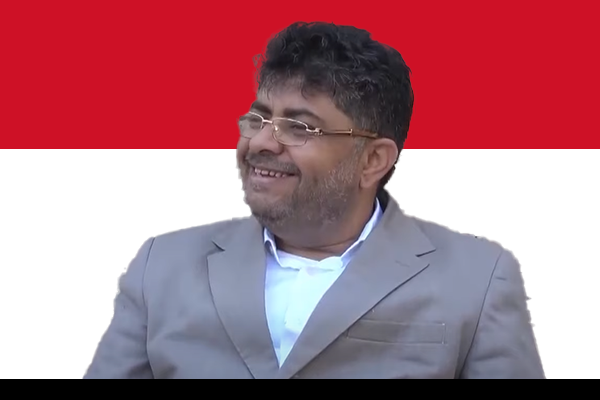
Early Life and Political Background
Mohammed al-Houthi was born into a family deeply connected with Yemen’s social and tribal fabric. From an early age, he developed an interest in political activism and social justice. His exposure to religious scholarship and local governance traditions shaped his worldview and prepared him for leadership roles. As Yemen faced increasing instability, al-Houthi emerged as a vocal critic of corruption, inequality, and foreign influence. These early experiences laid the foundation for his later rise as a revolutionary leader.
Rise to Leadership
Mohammed al-Houthi gained national attention during the period of political upheaval that followed Yemen’s broader regional unrest. He became a leading figure within the revolutionary movement that challenged the existing political order. His ability to mobilize supporters, coordinate political actions, and articulate the movement’s objectives helped him rise rapidly through the leadership ranks. Eventually, he assumed the position of president within the revolutionary framework, becoming a symbol of resistance and political transformation for his supporters.
Governance and Political Vision
As president, Mohammed al-Houthi focused on establishing alternative governance structures in response to the collapse of traditional state institutions. He emphasized accountability, social justice, and national sovereignty. His administration sought to maintain basic public services despite severe economic constraints and ongoing conflict. Al-Houthi consistently framed his political vision around independence from foreign control, calling for dialogue among Yemenis while rejecting imposed political solutions.
Role in Conflict and Diplomacy
President Mohammed al-Houthi played a critical role during Yemen’s prolonged conflict. He often addressed the nation through public statements, defending military actions as acts of self-defense. At the same time, he supported negotiation efforts aimed at reducing violence and achieving a political settlement. His approach combined firmness on sovereignty issues with openness to dialogue, positioning him as both a wartime leader and a political negotiator.
International Perception and Criticism
Internationally, Mohammed al-Houthi remains a controversial figure. Supporters view him as a defender of Yemeni independence and a leader resisting external domination. Critics, however, accuse his leadership of contributing to prolonged conflict and humanitarian suffering. Despite these opposing views, his influence on Yemen’s political trajectory is undeniable, making him a key figure in discussions about the country’s future.
Legacy and Influence
President Mohammed al-Houthi’s legacy continues to evolve as Yemen navigates uncertainty and reconstruction efforts. His leadership has left a lasting impact on revolutionary governance models and resistance politics in the region. Whether seen as a reformer or a divisive leader, Mohammed al-Houthi has undeniably shaped a critical chapter in Yemen’s modern history.