Mr. Muhammad Jamir Uddin Sarkar
In Office: 21 June 2002 – 6 September 2002
Political Party: Bangladesh Nationalist Party
Home State: Tetulia
Lifespan: born 1931
Country: Bangladesh
Image credits available here.
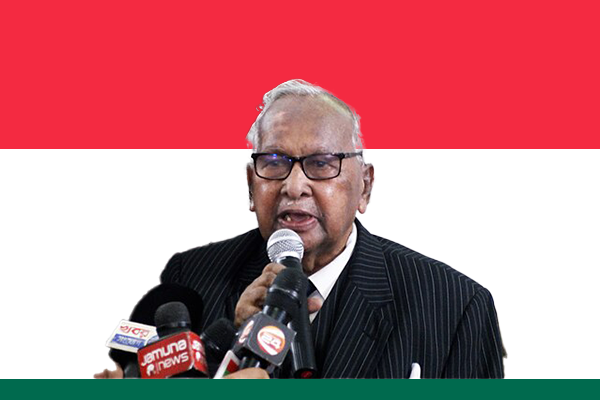
Early Life and Education
Muhammad Jamir Uddin Sarkar was born on 1 December 1931 in Feni, Bangladesh. He grew up in a family that valued education, discipline, and community service. Sarkar showed academic excellence from an early age and pursued higher studies with determination. He completed his education in law and social sciences, which prepared him for future responsibilities in public service. His academic background strengthened his understanding of constitutional issues and governance, which later shaped his political career.
Entry into Public Service
Sarkar began his career as a lawyer and quickly gained recognition for his integrity and disciplined work ethic. He practiced law in district courts and earned respect for his commitment to justice. His legal expertise motivated him to enter public life, where he aimed to contribute to the country’s democratic development. He joined political activities with a strong focus on rule of law, social welfare, and responsible governance.
Rise in National Politics
He entered national politics with a determination to modernize political practices and support democratic institutions. As a member of the Bangladesh Nationalist Party (BNP), Sarkar earned the trust of party leadership through his consistency and principled style. He contested elections and served as a Member of Parliament, where he advocated for socioeconomic development, administrative reforms, and improved public services. His thoughtful approach to legislation allowed him to become a respected voice in the national assembly.
Role in Government Leadership
Muhammad Jamir Uddin Sarkar served in various key government roles, including ministerial positions. He oversaw several important ministries and implemented policies that aimed to enhance administrative efficiency and promote national growth. He encouraged accountability within government institutions and emphasized the importance of public welfare in policymaking. His leadership style focused on transparency and long-term planning.
Service as Speaker of Parliament
Sarkar’s tenure as the Speaker of the Jatiya Sangsad marked a significant chapter in his public life. He presided over parliamentary sessions with impartiality and discipline. His strong understanding of constitutional procedures helped him run the house efficiently. He encouraged constructive debate and ensured that all parties received an equal opportunity to express their views. During his term, he introduced measures to strengthen parliamentary committees and improve legislative standards. His leadership contributed to the growth of Bangladesh’s democratic practices.
Vision for National Development
Throughout his political journey, Sarkar advocated for education, good governance, and rural development. He promoted policies that focused on expanding educational institutions, improving healthcare facilities, and increasing employment opportunities. He believed that democratic progress depended on a well-informed and economically stable population. His speeches often emphasized unity, national identity, and responsible citizenship.
Leadership Qualities and Public Image
Sarkar earned a reputation as a calm, disciplined, and principled leader. He maintained a balanced approach in political debates and encouraged respectful dialogue among members of different parties. People admired his honesty and dedication to public service. Even during challenging political periods, he upheld constitutional values and encouraged peaceful political engagement.
Legacy and Influence
Muhammad Jamir Uddin Sarkar left a lasting influence on Bangladesh’s parliamentary and political history. His leadership strengthened democratic traditions and inspired future lawmakers to follow principles of fairness and accountability. He contributed to political stability, legislative improvement, and public service quality. His long career reflected his unwavering commitment to the nation and its institutions.