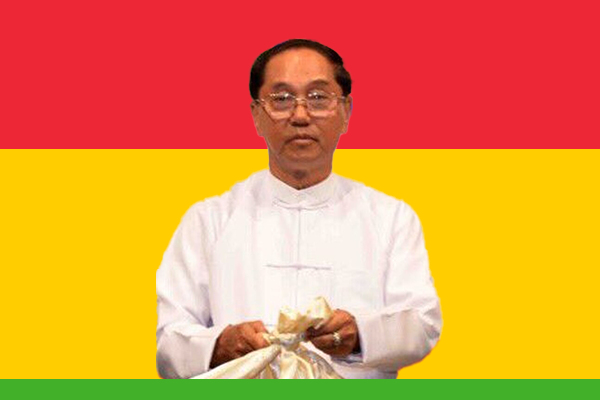
Early Life and Education
Myint Swe was born in Myanmar and grew up in a disciplined environment that shaped his interest in military service. He pursued his education through institutions aligned with military training. From an early age, he demonstrated leadership qualities and a strong commitment to national service. These traits guided him toward a career in the armed forces, which later became the foundation of his political journey.
Military Career
Myint Swe built a long and influential career in the Myanmar Armed Forces (Tatmadaw). He held several senior positions and earned recognition for his administrative and strategic abilities. The military leadership trusted him with key responsibilities, especially in security and regional governance.
During his service, he worked closely with top military commanders and gained firsthand experience in maintaining internal stability. His military background strongly influenced his leadership style, which emphasized discipline, order, and centralized authority.
Entry into Politics
After retiring from active military service, Myint Swe transitioned into politics. He joined the Union Solidarity and Development Party (USDP), which had strong military support. His experience and loyalty to the establishment helped him gain important political roles.
He served as Chief Minister of the Yangon Region, where he managed administrative affairs and security matters in Myanmar’s most important commercial hub. This role increased his national visibility and prepared him for higher constitutional responsibilities.
Role as Acting President of Myanmar
Myint Swe assumed the position of Acting President of Myanmar under constitutional provisions. In this role, he exercised executive authority during a politically sensitive period. He formally represented the state, approved administrative decisions, and upheld the constitutional framework.
As Acting President, he supported the military-led governance structure and emphasized national unity and stability. His presidency reflected continuity rather than reform, as he followed established policies and military guidance.
Leadership Style and Governance
Myint Swe led with a firm and traditional approach to governance. He prioritized security, discipline, and administrative control. His leadership style reflected his military training, focusing on order rather than political pluralism.
He avoided populist rhetoric and maintained a low public profile. Instead, he relied on institutional authority and constitutional mechanisms to perform his duties. Supporters viewed him as a stabilizing figure, while critics questioned the democratic legitimacy of his leadership.
Political Impact and Legacy
Myint Swe’s political impact lies in his role as a constitutional bridge between military power and civilian administration. He demonstrated how Myanmar’s constitution allowed military-aligned leaders to hold top executive positions.
His tenure highlighted the ongoing influence of the military in Myanmar’s political system. Although he did not introduce major reforms, his presidency symbolized the persistence of military dominance in national governance.
Conclusion
President Myint Swe remains an important figure in Myanmar’s modern political history. His journey from military leadership to the presidency shows how power structures operate within the country. Through disciplined leadership and constitutional authority, he played a key role during a critical phase of Myanmar’s governance.