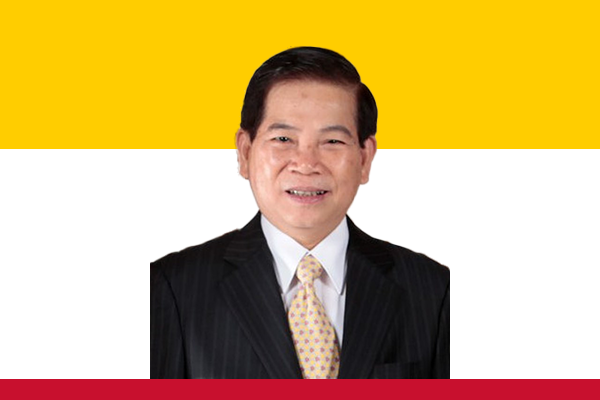
Early Life and Education
Nguyễn Minh Triết was born on October 8, 1942, in Bến Cát District, Bình Dương Province, Vietnam. He grew up during a period of great national struggle and hardship. His early experiences in a war-torn country inspired him to dedicate his life to Vietnam’s independence and development. He studied mathematics at the University of Saigon, where he developed critical thinking and organizational skills that later supported his political career.
Early Political Involvement
Triết joined the Communist Party of Vietnam (CPV) in 1965, during the Vietnam War. As a young revolutionary, he actively participated in movements that supported national liberation and social reform. He organized youth and local groups to strengthen the Party’s influence in the southern regions. His determination, discipline, and leadership qualities earned him recognition within the Party.
Rise Through the Communist Party
After Vietnam’s reunification in 1975, Triết continued to serve in various local and regional leadership positions. He became the Secretary of the Bình Dương Provincial Party Committee, where he played a vital role in economic reconstruction and agricultural development. Under his leadership, Bình Dương transformed from a war-affected area into a thriving province with strong industrial and economic growth.
His achievements in Bình Dương attracted the attention of national leaders. The Party promoted him to higher positions, allowing him to contribute to Vietnam’s broader economic strategies and modernization efforts.
Leadership in Ho Chi Minh City
In 1997, Nguyễn Minh Triết became the Secretary of the Ho Chi Minh City Party Committee, one of the most influential positions in Vietnam’s political structure. He encouraged private enterprise and foreign investment while maintaining the principles of socialism. He supported business reforms that improved the city’s infrastructure, attracted foreign investors, and created employment opportunities for thousands.
Triết worked to balance economic growth with social welfare. He implemented programs that enhanced education, healthcare, and housing for urban residents. His success in managing Ho Chi Minh City demonstrated his practical leadership style and commitment to the people’s well-being.
Presidency of Vietnam (2006–2011)
In June 2006, the National Assembly elected Nguyễn Minh Triết as the President of the Socialist Republic of Vietnam. As president, he represented the country both domestically and internationally. He focused on promoting economic reforms, strengthening national unity, and deepening Vietnam’s integration into the global community.
Triết worked closely with the government to attract foreign investment and support sustainable development. He prioritized anti-corruption measures and emphasized transparency within state institutions. He also encouraged education and technology as key drivers of Vietnam’s modernization.
On the international stage, Triết enhanced Vietnam’s diplomatic relationships with major powers and regional partners. He represented Vietnam at global forums, signing agreements that boosted trade, cultural exchange, and cooperation. His calm and diplomatic demeanor strengthened Vietnam’s reputation as a peaceful and responsible member of the international community.
Leadership Style and Vision
President Nguyễn Minh Triết led with modesty, integrity, and determination. He believed in collective leadership and encouraged consensus within the Communist Party. His administration promoted stability, modernization, and inclusivity. Triết often highlighted the importance of moral values, discipline, and patriotism in building a prosperous Vietnam.
Retirement and Legacy
After completing his term in 2011, Triết retired from active politics but continued to contribute to social and educational causes. He inspired younger generations to serve the nation with dedication and honesty.
His leadership period marked a phase of significant transformation in Vietnam’s political and economic landscape. He maintained political stability, promoted international cooperation, and ensured that Vietnam continued to progress toward becoming a modern, globally engaged nation.
Nguyễn Minh Triết’s vision, humility, and commitment to national development made him one of Vietnam’s respected leaders. His tenure reflected a balance between socialism and modernization, proving that steady reform could lead a nation toward lasting prosperity.