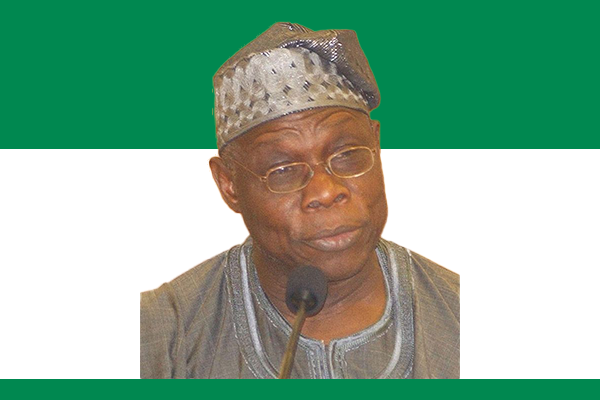
Early Life and Military Background
Olusegun Obasanjo was born on March 5, 1937, in Abeokuta, Ogun State, Nigeria. He grew up in a modest family and received his early education in Abeokuta before joining the Nigerian Army in 1958. Through hard work and discipline, he rose quickly through the military ranks. He received training in the United Kingdom and India, which shaped his understanding of leadership and global military strategy. His dedication and intelligence earned him respect within the Nigerian Armed Forces.
Role in the Nigerian Civil War
During the Nigerian Civil War (1967–1970), Obasanjo played a crucial role in leading federal troops. He commanded the 3rd Marine Commando Division and successfully brought an end to the conflict by securing the surrender of the Biafran forces in 1970. His strategic leadership and negotiation skills helped reunify the country after years of division. Obasanjo’s contribution to restoring peace made him a prominent figure in Nigeria’s military and political circles.
First Tenure as Military Head of State (1976–1979)
After the assassination of General Murtala Mohammed in 1976, Obasanjo assumed the position of Head of State. He quickly focused on continuing Mohammed’s reform agenda. Obasanjo led a government that promoted public service efficiency, expanded educational opportunities, and strengthened Nigeria’s oil industry.
He took decisive steps to return Nigeria to civilian rule. In 1979, he organized democratic elections and peacefully handed power to President Shehu Shagari. By voluntarily transferring power, Obasanjo became the first Nigerian military ruler to oversee a democratic transition—a historic act that strengthened Nigeria’s democratic foundation.
Return to Politics and Civilian Presidency (1999–2007)
After years in retirement and a brief imprisonment under General Sani Abacha, Obasanjo re-entered politics. Nigerians elected him as President in 1999 when the country returned to democratic governance. He led the nation with determination, emphasizing unity, democracy, and development.
Obasanjo launched major economic reforms to reduce Nigeria’s debt burden and attract foreign investment. He implemented the National Economic Empowerment and Development Strategy (NEEDS) to promote privatization, improve governance, and boost economic growth. His administration also fought corruption by establishing the Economic and Financial Crimes Commission (EFCC) and the Independent Corrupt Practices Commission (ICPC).
Under his leadership, Nigeria’s economy stabilized, and the nation secured debt relief from international creditors, freeing billions of dollars for domestic investment.
Foreign Policy and Continental Leadership
Obasanjo strengthened Nigeria’s influence in African and global affairs. He promoted regional peace by supporting mediation efforts in Liberia, Sierra Leone, and Sudan. As an African Union (AU) leader, he encouraged cooperation among African nations and called for better governance across the continent. His diplomatic skills earned him respect from international leaders and positioned Nigeria as a voice of stability in Africa.
Legacy and Later Life
Olusegun Obasanjo left office in 2007 after serving two democratic terms. His presidency marked a new era of democratic consolidation, economic reform, and anti-corruption efforts in Nigeria. Despite facing criticism for his leadership style and some controversial decisions, his contributions to Nigeria’s development remain significant.
After leaving office, he continued to engage in peacekeeping, mediation, and advocacy for democracy in Africa. He wrote books and delivered speeches promoting good governance and national unity.
Conclusion
President Olusegun Obasanjo’s leadership shaped modern Nigeria. From his military service to his civilian presidency, he demonstrated resilience, strategic vision, and a commitment to national progress. His legacy as a reformer and statesman continues to influence Nigeria’s political and economic development today.