Mr. Pascal Couchepin
In Office: 1 January 2008 – 31 December 2008
1 January 2003 – 31 December 2003
Political Party: Free Democratic Party
Home State: Pfeffikon
Lifespan: born 1942
Country: Switzerland
Image credits available here.
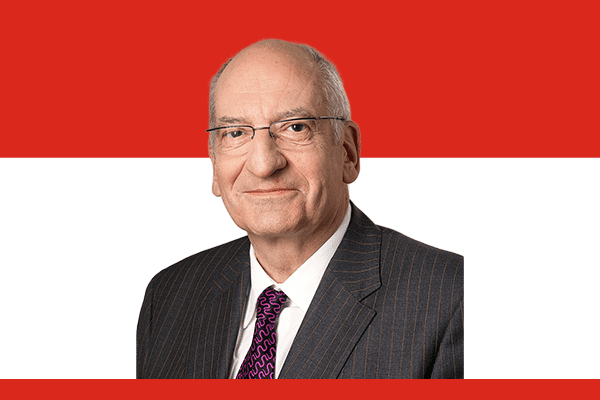
Early Life and Education
Pascal Couchepin was born on April 5, 1942, in Martigny, a town in the canton of Valais, Switzerland. He grew up in a politically aware environment, which shaped his interest in public service. He pursued legal studies at the University of Lausanne, where he developed a strong foundation in law and governance.
After completing his education, he worked as a lawyer. Through his legal career, he gained practical experience and built a reputation for analytical thinking and problem-solving. These skills later supported his transition into politics.
Entry into Politics
Couchepin began his political career at the local level. He served as the mayor of Martigny from 1984 to 1998, where he actively improved local administration and infrastructure. His leadership at the municipal level strengthened public trust and demonstrated his administrative abilities.
He also served in the Swiss National Council from 1979 to 1998, representing the Free Democratic Party (FDP). During this period, he actively participated in legislative processes and advocated economic liberalization and efficient governance.
Role in the Federal Council
In 1998, Pascal Couchepin was elected to the Swiss Federal Council, Switzerland’s highest executive authority. During his tenure, he led important government departments, including the Federal Department of Home Affairs and the Federal Department of Economic Affairs.
As a Federal Councillor, he actively promoted reforms in social security, healthcare, and economic policy. He supported measures that aimed to modernize Switzerland’s welfare system while ensuring financial sustainability. Instead of avoiding difficult decisions, he addressed complex issues directly and encouraged public debate.
In 2003 and again in 2008, he served as the President of the Swiss Confederation. In this largely ceremonial role, he represented Switzerland internationally and strengthened diplomatic relations.
Key Contributions and Policies
Couchepin actively worked on healthcare reforms, focusing on cost control and system efficiency. He supported policies that balanced public welfare with economic responsibility. His approach often sparked debate, but it reflected his commitment to long-term stability.
He also contributed to pension reforms, aiming to secure Switzerland’s social security system for future generations. By advocating practical solutions, he addressed demographic and economic challenges effectively.
His leadership style emphasized transparency, accountability, and active decision-making. He did not rely on passive governance; instead, he took initiative and communicated openly with the public.
Personal Life
Pascal Couchepin maintained a relatively private personal life. He balanced his demanding political career with family responsibilities. His grounded personality and disciplined approach helped him manage the pressures of public service.
Even after retiring from politics in 2009, he remained an influential voice in Swiss public discourse. He participated in discussions on national and international issues, sharing his experience and insights.
Legacy and Impact
Pascal Couchepin left a lasting impact on Switzerland’s political and economic landscape. He strengthened key institutions and promoted reforms that continue to influence the country. His active leadership ensured that Switzerland adapted to changing global conditions while preserving its stability.
Rather than following a passive role, he shaped policies and guided decision-making processes. His contributions to healthcare, pensions, and economic policy highlight his importance in Swiss history.
Conclusion
Pascal Couchepin remains a respected figure in Swiss politics. Through active leadership and decisive action, he contributed significantly to national development. His work reflects a commitment to progress, responsibility, and effective governance.