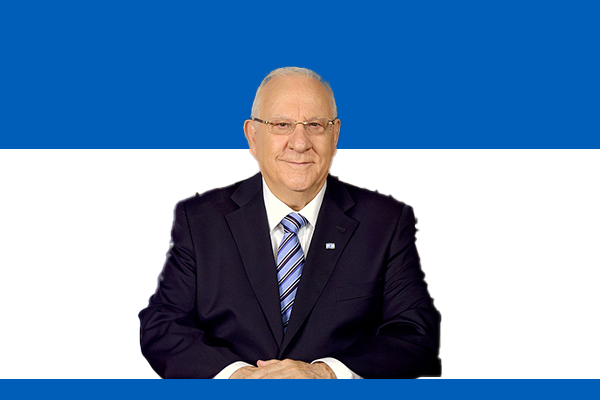
Early Life and Family Background
Reuven Rivlin was born on September 9, 1939, in Jerusalem, into a family deeply rooted in Jewish scholarship and public service. He grew up in an environment that encouraged civic responsibility and cultural pride. His family history shaped his strong commitment to Israeli identity and democratic values. Rivlin completed his education in law at the Hebrew University of Jerusalem, where he developed an interest in public affairs and political discourse.
Entry into Public Life
Rivlin began his professional journey as a lawyer, but he soon moved into public service because he wanted to influence national policy. He joined the Likud Party and quickly became active in political campaigns and community organizing. His dedication and clear communication style helped him rise within the party. Rivlin served on the Jerusalem City Council, where he worked to strengthen public services and multicultural coexistence in the city.
Rise in National Politics
Rivlin entered the Knesset in 1988, marking the beginning of a long and influential parliamentary career. He served multiple terms and represented conservative values with consistency and integrity. His colleagues respected him for his honesty, straightforward nature, and unwavering commitment to democratic principles. He chaired several important committees and used his positions to advocate for civil liberties and government accountability.
Speaker of the Knesset
In 2003, Rivlin became Speaker of the Knesset, a role that allowed him to champion parliamentary transparency and fairness. He encouraged debates that reflected diverse perspectives and protected the rights of opposition members. Rivlin believed that a strong democracy required respectful dialogue, and he worked to uphold these values throughout his tenure. His leadership strengthened the Knesset’s credibility and improved trust in the legislative process. He returned to the role again in 2009, reinforcing his influence in Israel’s political landscape.
Election as President of Israel
In 2014, the Knesset elected Rivlin as Israel’s tenth president. He approached the presidency with humility and a sense of duty. Rivlin believed that the president should act as a unifying figure for all citizens, regardless of political, religious, or ethnic identity. He traveled widely across the country to meet communities, listen to concerns, and promote social cohesion. His approach helped ease tensions during periods of political uncertainty.
Champion of Democracy and Inclusion
As president, Rivlin defended democratic institutions with clarity and determination. He spoke openly about the importance of protecting minority rights and maintaining equality under the law. He also highlighted the need for dialogue between Jews and Arabs in Israel. By promoting his “Four Tribes” vision, he encouraged Israelis to recognize the cultural diversity within the nation and to build a shared future based on mutual respect.
Leadership in Challenging Times
Rivlin guided the nation through political gridlock, regional tensions, and sensitive security issues. He used his moral authority to urge political leaders to act responsibly and to prioritize national unity. During periods of repeated elections, Rivlin met party leaders, encouraged compromise, and worked to preserve public trust in democratic institutions. His calm demeanor and steady principles earned him broad respect across the political spectrum.
Personal Integrity and Public Image
Rivlin maintained a reputation for honesty, humility, and approachability. He engaged directly with citizens through public events, speeches, and community visits. His warm personality and genuine concern for people made him a beloved figure in Israeli society. He also supported cultural initiatives, education programs, and social projects that strengthened national identity and civic pride.
Legacy and Impact
Reuven Rivlin left a lasting mark on Israel through his commitment to democracy, unity, and inclusion. He demonstrated that leadership rooted in integrity can bridge divides and build trust. His presidency encouraged a more open and respectful national conversation, and his influence continues to inspire political leaders and citizens alike.