Early Life and Education
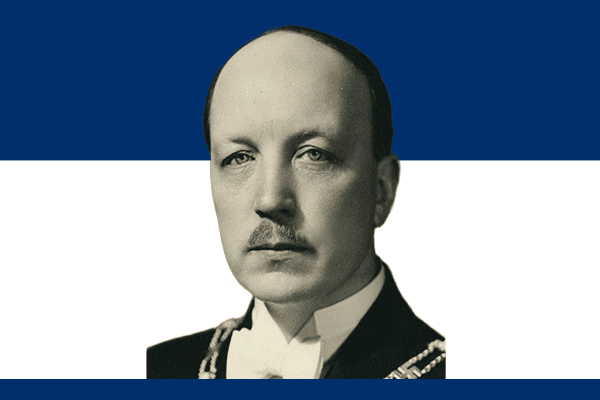
Risto Ryti was born on February 3, 1889, in Huittinen, Finland. He grew up in a farming family that valued education and hard work. Ryti showed strong academic abilities from an early age and developed a deep interest in economics, law, and politics.
He studied law at the University of Helsinki and graduated with excellent results. After completing his studies, he worked as a lawyer and quickly earned a reputation for honesty and intelligence. His professional success opened the door to a political career.
Entry into Politics
Ryti entered politics during a period of major political change in Finland. After Finland gained independence from Russia in 1917, the country faced economic challenges and internal conflicts. Ryti joined the National Progressive Party and actively participated in building the young nation.
He served in the Finnish Parliament and focused mainly on economic policies. His financial knowledge and calm leadership impressed many political leaders. Because of his expertise, the government appointed him Minister of Finance, where he worked to stabilize Finland’s economy.
Leadership in Banking and Economics
Risto Ryti became Governor of the Bank of Finland in 1924. In this role, he strengthened the country’s financial system and improved economic stability. He promoted responsible economic policies and encouraged confidence in Finland’s banking sector.
During the Great Depression, Ryti worked carefully to protect Finland’s economy from collapse. Instead of making risky decisions, he supported balanced financial reforms. His leadership helped Finland recover more effectively than many other European nations.
Prime Minister and President
In 1939, Finland faced the threat of war with the Soviet Union. Ryti became Prime Minister during this critical period. When the Winter War began, he played a central role in organizing Finland’s defense and maintaining international relations.
In 1940, the Finnish Parliament elected Ryti as President of Finland. As president, he led the country during World War II and worked closely with military commander Carl Gustaf Emil Mannerheim. Ryti focused on protecting Finland’s independence while managing difficult diplomatic relationships.
During the Continuation War, Finland cooperated with Germany against the Soviet Union. Ryti made several difficult political decisions to secure military support for Finland. His leadership reflected determination and realism during a dangerous period in European history.
The Ryti–Ribbentrop Agreement
One of the most controversial moments of Ryti’s presidency involved the Ryti–Ribbentrop Agreement in 1944. Germany demanded assurances that Finland would not seek peace with the Soviet Union without German approval. Ryti personally promised continued cooperation in exchange for military aid.
This agreement helped Finland receive weapons and support at a critical moment. However, Ryti resigned shortly afterward so Finland could negotiate peace independently. His resignation demonstrated his willingness to sacrifice his political career for the nation’s future.
Trial and Later Life
After World War II, Finland faced pressure from the Soviet Union to punish wartime leaders. Authorities charged Ryti with responsibility for the war. He received a prison sentence, even though many Finns viewed him as a patriotic leader who acted in the country’s best interests.
After serving his sentence, Ryti retired from public life. Although his health declined, people continued to respect his dedication and service. He died on October 25, 1956.
Legacy and Importance
Risto Ryti remains one of Finland’s most significant political leaders. His economic expertise, calm leadership, and strong sense of responsibility helped Finland survive extremely difficult times. Historians often praise his practical approach and commitment to national independence.
Rather than seeking personal popularity, Ryti focused on protecting Finland’s future. His leadership during wartime and economic crisis left a lasting impact on Finnish history.