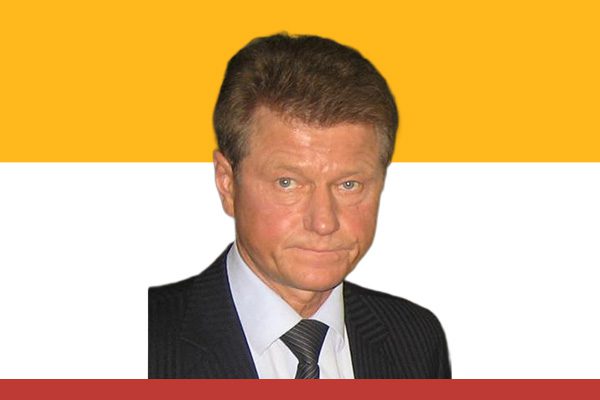
Early Life and Education
Rolandas Paksas was born on June 10, 1956, in Telšiai. He developed an interest in aviation at a young age and worked hard to pursue this passion. He studied at the Leningrad Civil Aviation Academy, where he received professional training as a pilot.
After completing his education, Paksas worked as a pilot and later became involved in aviation sports. His dedication and skill earned him recognition in aviation circles. These experiences helped him develop leadership qualities that later supported his political career.
Entry into Politics
After Lithuania regained its independence from the Soviet Union, Paksas entered politics. He quickly established himself as an energetic and ambitious leader. His practical approach to administration attracted many supporters.
In 1997, citizens elected him as the Mayor of Vilnius, the capital city of Lithuania. During his term, he focused on improving urban management and public services. His leadership increased his popularity and strengthened his reputation as a capable administrator.
Paksas also served twice as the Prime Minister of Lithuania. His first term began in 1999, and he returned to the position in 2000. As prime minister, he worked on economic reforms and government modernization. He often expressed strong opinions on national issues and demonstrated an independent leadership style.
Presidency of Lithuania
The most significant achievement in Paksas’s political career came in 2003 when he won the presidential election. He defeated the incumbent president and became the President of Lithuania. His victory surprised many political observers because he successfully challenged an established political leader.
As president, Paksas promised to represent ordinary citizens and bring change to the country’s political system. He emphasized transparency, social justice, and closer communication between government institutions and the public. Many voters appreciated his commitment to addressing their concerns.
Controversy and Impeachment
Paksas’s presidency became the center of political controversy. Investigations raised concerns about his relationships with certain political supporters and business figures. These concerns led to a major political crisis in Lithuania.
In 2004, the Lithuanian parliament initiated impeachment proceedings against him. After extensive debates and legal reviews, parliament removed him from office. This event marked a historic moment because Paksas became the first European president removed through impeachment.
The impeachment attracted international attention and generated intense discussions about constitutional law, political accountability, and democratic governance.
Later Political Career
Although the impeachment ended his presidency, Paksas remained active in politics. He continued to participate in political movements and public debates. He also served as a member of the European Parliament, where he represented Lithuanian interests on various issues.
Throughout the following years, he advocated for political reforms and maintained a loyal group of supporters. His career demonstrated resilience and determination despite significant setbacks.
Legacy
Rolandas Paksas occupies a unique place in Lithuanian history. His rise from pilot to president showcased his ambition and leadership abilities. At the same time, the controversy surrounding his presidency highlighted the importance of accountability in democratic institutions.
Historians and political analysts continue to study his career because it reflects both the opportunities and challenges of post-independence Lithuanian politics. Whether viewed as a reformer, a controversial leader, or a symbol of political change, Rolandas Paksas remains an influential figure in the history of Lithuania.