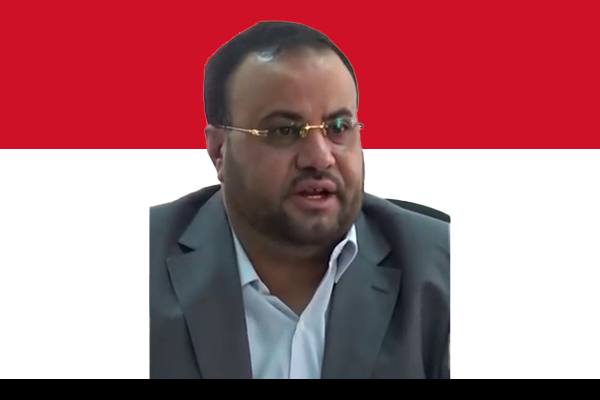
Early Life and Background
Saleh Ali al-Sammad was born in 1979 in the Bani Matar district of Sana’a Governorate, Yemen. He belonged to a respected tribal and social background, which helped shape his political awareness from an early age. He pursued higher education in political science, a field that later defined his public life and leadership style. From his youth, al-Sammad showed interest in national sovereignty, social justice, and Yemeni independence, values that remained central to his political career.
Entry into Politics
Al-Sammad emerged as a political figure through his involvement with the Ansar Allah movement, commonly known as the Houthis. He gained recognition as a capable political strategist and negotiator. Before becoming president of the Supreme Political Council, he served in several political and advisory roles, including as a senior political figure representing the Houthis in negotiations. His calm demeanor and articulate positions made him a trusted leader within the movement.
Presidency of the Supreme Political Council
In April 2016, Saleh Ali al-Sammad assumed office as President of the Supreme Political Council, effectively becoming the head of governance in Houthi-controlled regions of Yemen. His leadership came during an intense phase of the Yemen war, marked by airstrikes, humanitarian crises, and political fragmentation. Al-Sammad focused on maintaining administrative structures, ensuring basic governance, and reinforcing resistance against the Saudi-led coalition.
Political Vision and Leadership Style
President al-Sammad emphasized Yemeni sovereignty and repeatedly condemned foreign military intervention. He called for political dialogue while insisting on Yemen’s right to self-determination. His leadership style combined firmness with political pragmatism. He frequently addressed the public, urging unity, resilience, and national dignity. Supporters viewed him as a disciplined and principled leader who remained close to the people during wartime hardships.
Role in the Yemen Conflict
During his presidency, al-Sammad played a key role in coordinating political and administrative responses to the war. He supported defensive strategies and stressed the importance of internal stability in areas under his administration. He also highlighted humanitarian issues, drawing attention to civilian suffering and the economic blockade. His speeches often reflected a message of endurance and resistance despite overwhelming challenges.
Death and Legacy
Saleh Ali al-Sammad died in April 2018 as a result of an airstrike in Al-Hudaydah Governorate. His death marked a significant moment in the Yemen conflict and deeply affected his supporters. Many remembered him as a martyr and a national figure who stood firm during foreign aggression. His legacy continues to influence the political narrative of the Houthi movement and remains an important chapter in Yemen’s contemporary history.
Conclusion
President Saleh Ali al-Sammad remains a notable figure in Yemen’s political landscape. His life and leadership reflected the struggles, aspirations, and divisions of a nation at war. While opinions about him vary, his impact on Yemen’s recent history is undeniable, and his role as a wartime leader continues to shape political discourse in the country.