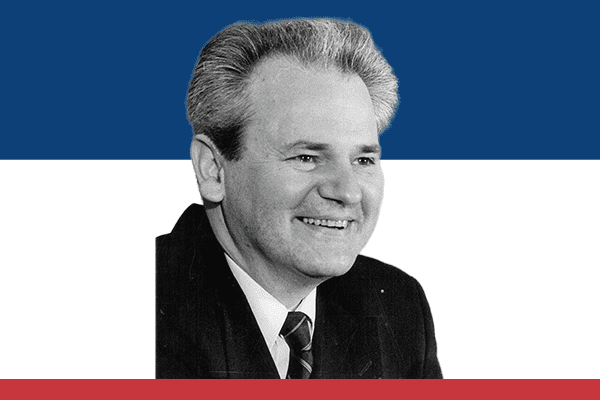
Early Life and Background
Slobodan Milošević was born on August 20, 1941, in Požarevac, in what was then Axis-occupied Yugoslavia. He grew up in a modest family and experienced personal hardships, including the tragic deaths of both his parents. Despite these challenges, he focused on his education and graduated from the University of Belgrade with a degree in law.
He began his career in business and banking, where he developed strong organizational and leadership skills. His connections with influential political figures helped him enter the political arena. Over time, he aligned himself with the League of Communists and steadily climbed the ranks.
Rise to Power
Milošević gained national prominence in the late 1980s. He actively promoted Serbian nationalism and positioned himself as a defender of Serbian interests within Yugoslavia. In 1987, his speech in Kosovo Polje marked a turning point, as he directly appealed to Serbian identity and unity.
He soon became the President of Serbia in 1989. During this time, he restructured political power by reducing the autonomy of provinces like Kosovo and Vojvodina. He strengthened his control over the government and used his influence to dominate political institutions.
Leadership During Yugoslav Wars
During the 1990s, Milošević played a key role in the breakup of Yugoslavia. He supported Serb groups in conflicts in Croatia, Bosnia, and later Kosovo. His policies and decisions contributed to a series of violent wars that led to significant loss of life and displacement.
International organizations and Western nations criticized his leadership and imposed sanctions on Yugoslavia. Despite this pressure, he maintained authority within Serbia for several years. In 1997, he became the President of the Federal Republic of Yugoslavia, further consolidating his power.
The Kosovo conflict intensified in 1998–1999, leading to military intervention by NATO. Airstrikes targeted Yugoslav forces, forcing Milošević to withdraw from Kosovo. This marked a significant turning point in his leadership.
Downfall and Arrest
By 2000, public dissatisfaction with Milošević’s rule had grown significantly. Economic difficulties, political repression, and war fatigue led to widespread protests. After a disputed election, citizens demanded change and organized mass demonstrations.
Milošević lost power in October 2000 when opposition forces took control. Authorities arrested him in 2001 and transferred him to the International Criminal Tribunal for the former Yugoslavia (ICTY) in The Hague. The tribunal charged him with war crimes, crimes against humanity, and genocide.
Trial and Death
Milošević defended himself during the trial and challenged the legitimacy of the tribunal. The proceedings lasted several years and attracted global attention. However, the court did not reach a final verdict.
He died on March 11, 2006, in his prison cell in The Hague. His death ended one of the most significant war crimes trials in modern history without a formal conclusion.
Legacy and Significance
Slobodan Milošević left a complex and controversial legacy. Supporters viewed him as a nationalist leader who defended Serbian interests, while critics held him responsible for wars and human rights violations. His leadership significantly influenced the political landscape of the Balkans.
Historians continue to examine his role in the Yugoslav conflicts and the consequences of his policies. His rise and fall illustrate the impact of nationalism, political power, and international intervention in shaping modern history.
Conclusion
Slobodan Milošević remains one of the most debated political figures of his time. He actively shaped events during a critical period in Balkan history. His actions continue to influence discussions about leadership, accountability, and conflict in the modern world.