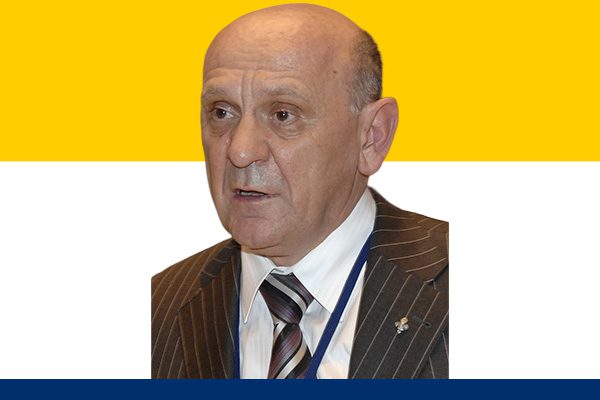
Mr. Sulejman Tihic
In Office: 28 October 2002 – 6 November 2006
Political Party: Party of Democratic Action
Home State: Sarajevo
Lifespan: 1951–2014
Country: Bosnia and Herzegovina
Image credits available here.
Early Life and Education
Sulejman Tihić was born on 26 November 1951 in the village of Šamac, Bosnia and Herzegovina, which was then part of the former Yugoslavia. He completed his early education in his hometown before pursuing higher studies in law. After earning a law degree, he worked as a legal professional and gained valuable experience in public administration and legal affairs. His legal background helped him understand the importance of justice, human rights, and constitutional governance.
Challenges During the Bosnian War
The Bosnian War profoundly affected Sulejman Tihić’s life. During the conflict, Serbian forces detained him in several prison camps, where he experienced harsh conditions and severe hardships. Despite these traumatic experiences, he rejected hatred and revenge after the war. Instead, he promoted forgiveness, peaceful coexistence, and national reconciliation. His personal suffering strengthened his determination to build a democratic society based on respect, justice, and equality.
Political Career
After the war, Sulejman Tihić entered politics to help rebuild Bosnia and Herzegovina. He became an important member of the Party of Democratic Action (SDA), one of the country’s leading political parties. His leadership abilities and moderate political approach quickly earned him respect among party members and the public.
In 2002, citizens elected him as the Bosniak member of the Presidency of Bosnia and Herzegovina. During his term, he focused on strengthening democratic institutions, improving relations among Bosnia’s ethnic communities, and supporting reforms that would bring the country closer to European integration. He believed that dialogue and compromise offered the best path toward lasting stability.
Leadership of the Party of Democratic Action
Sulejman Tihić later became the president of the Party of Democratic Action (SDA). Under his leadership, the party emphasized democratic values, constitutional reforms, and cooperation among political groups. He encouraged constructive discussions instead of political confrontation and consistently supported policies that promoted unity within Bosnia and Herzegovina.
His balanced leadership style earned appreciation from many political observers, although he also faced criticism from those who preferred more hardline positions. Nevertheless, he remained committed to peaceful political solutions throughout his career.
Political Philosophy and Achievements
Sulejman Tihić believed that lasting peace required compromise, mutual respect, and equal opportunities for every citizen. He supported constitutional reforms that would improve the efficiency of government while protecting the rights of all ethnic communities.
He also encouraged Bosnia and Herzegovina to strengthen its relationships with European institutions and international organizations. His efforts helped maintain political dialogue during challenging periods and contributed to the country’s democratic progress.
Legacy
Sulejman Tihić passed away on 25 September 2014 after battling a serious illness. His death marked the end of a remarkable political career dedicated to peace and reconciliation. Many leaders remembered him as a thoughtful statesman who consistently placed the country’s future above personal or political interests.
Today, Sulejman Tihić remains an important figure in the modern history of Bosnia and Herzegovina. His commitment to democracy, tolerance, and peaceful cooperation continues to inspire politicians and citizens who seek a more united and prosperous nation.
Conclusion
Sulejman Tihić played a significant role in shaping post-war Bosnia and Herzegovina. Through his dedication to democracy, reconciliation, and constitutional reform, he helped guide the country during a difficult period of recovery. His life demonstrated that dialogue, patience, and mutual respect can overcome even the deepest divisions. His legacy continues to serve as an example of responsible leadership and unwavering commitment to peace.