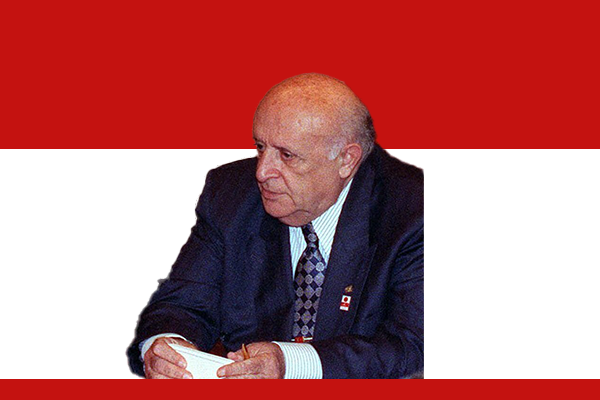
Early Life and Rise in Public Service
Süleyman Demirel began his journey from a modest rural background and used education as a bridge to national service. He studied engineering and quickly entered public life by working on major infrastructure projects. He built a reputation as a skilled problem-solver who understood both the technical and social needs of Turkey. His work on dams and water development programs brought him national visibility and pushed him into politics. Demirel embraced leadership roles early and shaped his identity as a man connected to the people.
Entry into Politics and First Leadership Roles
Demirel joined the Justice Party and swiftly rose through its ranks by demonstrating administrative talent and a strong public connection. He appealed to voters as a modernizer who balanced tradition and progress. He won the position of Prime Minister in 1965 and led Turkey through a period of rapid economic transformation. He expanded roads, electricity networks, irrigation systems, and industrial capacity. He positioned development as the core of his governance strategy and used democratic institutions to strengthen national unity.
Challenges and Political Instability
Turkey faced political turbulence during the late 1960s and 1970s, and Demirel continuously worked to stabilize the government. When military interventions disrupted the democratic process, he pushed to restore civilian authority. He returned to power multiple times because the public trusted his resilience and experience. Instead of retreating from national challenges, he used each setback to rebuild alliances, strengthen his political base, and improve governance strategies. His persistence became one of his defining traits.
Return to Leadership After the 1980 Military Coup
The 1980 coup temporarily removed Demirel from political life, but he refused to disappear from public memory. He maintained relationships, observed national developments, and prepared for a democratic return. Once Turkey lifted its political bans, he reorganized supporters and re-entered the political arena. He revived the True Path Party (DYP) and reclaimed leadership, demonstrating strong public support. His comeback showed his enduring influence and his ability to reconnect with voters after years of political silence.
Demirel as President of Turkey
Turkey elected Süleyman Demirel as its ninth President in 1993. He approached the presidency with a commitment to national unity and modernization. He encouraged democratic reforms, guided Turkey through coalition governments, and promoted economic stability. He strengthened diplomatic relations and supported Turkey’s efforts to integrate more deeply with Europe. Demirel acted as a balancing force during political tensions and consistently defended the constitution. He focused on maintaining the continuity of democratic institutions and worked closely with different political groups to protect stability.
Leadership Style and National Impact
Demirel led with pragmatism, negotiation skills, and an understanding of rural and urban needs. He valued development as the foundation of national strength and championed large-scale infrastructure projects throughout his career. Citizens viewed him as accessible, experienced, and resilient. He used his presidential role to bridge political divides and promote dialogue. Turkish history remembers him as one of the most influential political figures of the 20th century, a leader who experienced both the struggles and achievements of modern democracy.
Legacy of Süleyman Demirel
Demirel left a legacy defined by persistence, public service, and modernization. He guided Turkey through economic development, political transitions, and democratic restoration. His long career, marked by repeated returns to power, reflects his deep connection to the people and his ability to lead during challenging periods. Turkey continues to honor him for his contributions to infrastructure, governance, and democratic principles.