Mr. Thein Sein
In Office: 30 March 2011 – 30 March 2016
Political Party: Union Solidarity and Development
Home State: Ngapudaw Township
Lifespan: born 1944
Country: Myanmar
Image credits available here.
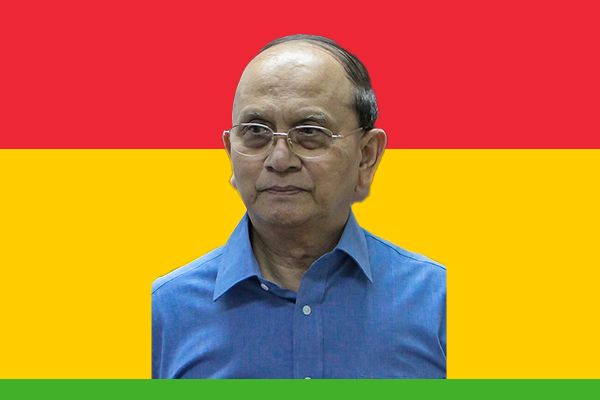
Early Life and Political Background
Thein Sein was born on 20 April 1945 in Pathein, Ayeyarwady Region. He joined the Myanmar military at a young age and steadily rose through its ranks. Over the years, he gained experience in both military and administrative roles, which prepared him for national leadership. Before becoming president, he served as Prime Minister under the military government. In that role, he demonstrated a pragmatic leadership style and earned a reputation as a disciplined and cautious decision-maker.
Rise to the Presidency
In 2011, Thein Sein assumed the presidency after Myanmar conducted its first general elections in decades. Although the elections faced criticism, his appointment signaled the beginning of political change. As president, he quickly set a new tone by engaging with opposition leaders, easing restrictions on the media, and releasing political prisoners. He chose dialogue over confrontation and emphasized gradual reform instead of abrupt transformation.
Political Reforms and Democratization
President Thein Sein actively pushed political reforms that reshaped Myanmar’s governance. His government amended laws that restricted freedom of expression and allowed greater political participation. He encouraged cooperation with opposition parties and opened communication channels with civil society groups. Most notably, he supported dialogue with Aung San Suu Kyi and allowed her party to participate in by-elections. These actions strengthened public trust and laid the foundation for more inclusive politics.
Economic Reforms and Development
Thein Sein also focused strongly on economic reform. He worked to modernize Myanmar’s economy by reducing state control and encouraging private enterprise. His administration unified the exchange rate, reformed banking regulations, and attracted foreign investment. By opening the economy to international markets, he helped boost growth and create new employment opportunities. These reforms improved Myanmar’s global economic standing and increased investor confidence.
Foreign Policy and Global Re-engagement
Under Thein Sein’s leadership, Myanmar actively re-engaged with the international community. He improved relations with Western countries and strengthened ties with regional partners. His government cooperated with international organizations and welcomed diplomatic dialogue. As a result, several countries eased economic sanctions, which further supported Myanmar’s economic recovery. Thein Sein’s balanced foreign policy restored Myanmar’s global image after years of isolation.
Challenges and Criticism
Despite his achievements, Thein Sein faced significant challenges. Ethnic conflicts continued in several regions, and critics argued that reforms did not go far enough. Some groups expressed disappointment over unresolved human rights issues and the military’s continued influence in politics. However, Thein Sein acknowledged these challenges and maintained that gradual reform offered the most stable path forward.
Legacy of President Thein Sein
President Thein Sein left a lasting impact on Myanmar’s political journey. He actively steered the nation toward openness, reform, and international cooperation. His leadership did not complete Myanmar’s democratic transition, but it clearly initiated it. Many observers regard his presidency as a bridge between authoritarian rule and democratic aspiration.