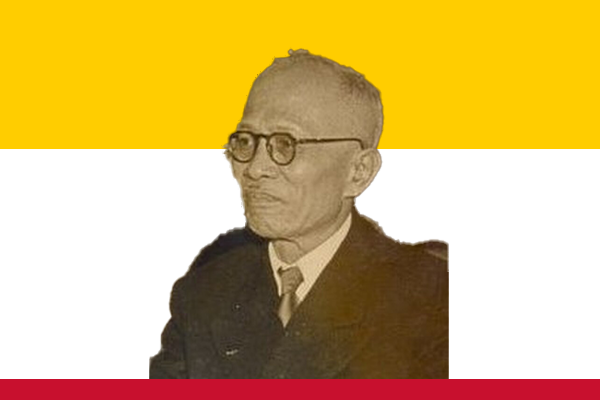
Mr. Ton Duc Thang
In Office: 2 July 1976 – 30 March 1980
Political Party: Communist Party of Vietnam
Home State: Long Xuyên
Lifespan: 1888–1980
Image credits available here.
Country: Vietnam
Early Life and Education
Tôn Đức Thắng was born on August 20, 1888, in An Giang Province, Vietnam. He grew up in a humble peasant family that valued hard work and patriotism. From an early age, he showed a deep concern for social justice and the welfare of his fellow citizens. He received his education locally and later moved to Saigon, where he worked as a mechanic. His time there exposed him to the struggles of the working class and the exploitation of colonial rule, which shaped his revolutionary spirit.
Rise as a Revolutionary
During his years as a worker, Tôn Đức Thắng joined labor movements and actively supported workers’ rights. He participated in organizing strikes and demonstrations against French colonial authorities. In 1916, he took part in anti-war protests that reflected his deep opposition to imperialism and colonial exploitation. His passion for justice and equality inspired others around him to resist oppression.
Activism Abroad and Revolutionary Influence
Tôn Đức Thắng traveled to France in the early 20th century as part of his work. While in France, he became involved with socialist movements and labor unions. He connected with other Vietnamese patriots and learned about Marxist and Leninist ideas. These experiences strengthened his belief in socialism as a path to national liberation. He later joined efforts supporting international workers’ solidarity, demonstrating his global vision for justice and equality.
Return to Vietnam and Continued Struggle
After returning to Vietnam, Tôn Đức Thắng intensified his revolutionary activities. He joined the Vietnamese Revolutionary Youth League, founded by Ho Chi Minh. He played a key role in mobilizing workers and peasants against colonial oppression. The French authorities arrested and imprisoned him for his political activism, but he never abandoned his ideals. During his years in prison, he continued to educate and inspire his fellow prisoners about freedom and independence.
Leadership After Independence
After Vietnam achieved independence in 1945, Tôn Đức Thắng emerged as a respected leader within the Communist Party of Vietnam. He worked closely with President Ho Chi Minh to strengthen national unity and rebuild the country. He served in various important positions, including as Vice President of North Vietnam. His commitment to socialism and equality earned him the admiration of both his peers and the people.
As Prime Minister and Later Roles
Tôn Đức Thắng assumed key leadership responsibilities during Vietnam’s early years of nation-building. He guided the government through the challenges of post-war recovery and national reconstruction. His leadership emphasized solidarity, discipline, and sacrifice for the collective good. He encouraged citizens to work together for peace, independence, and socialist development.
After President Ho Chi Minh’s passing in 1969, Tôn Đức Thắng became President of the Democratic Republic of Vietnam. Under his leadership, Vietnam continued to fight for national reunification, which was achieved in 1975. His dedication and calm leadership helped stabilize the country during its most critical years.
Contributions to Socialism and National Unity
Tôn Đức Thắng championed equality and social progress throughout his life. He supported workers’ cooperatives, promoted education, and strengthened the socialist economy. He believed in uniting all Vietnamese people—regardless of class or region—to build a prosperous and independent nation. His humility, discipline, and unwavering faith in the people made him one of Vietnam’s most respected leaders.
Legacy and Recognition
Tôn Đức Thắng passed away on March 30, 1980, leaving behind a powerful legacy of patriotism and integrity. The Vietnamese people remember him as a symbol of unity and selfless service. His life continues to inspire generations to uphold national independence and socialist ideals. Monuments, schools, and institutions across Vietnam honor his memory, celebrating his lifelong devotion to the nation.