Mr. Ueli Maurer
In Office: 1 January 2019 – 31 December 2019
1 January 2013 – 31 December 2013
Political Party: Swiss People’s Party
Home State: Wetzikon
Lifespan: born 1950
Country: Switzerland
Image credits available here.
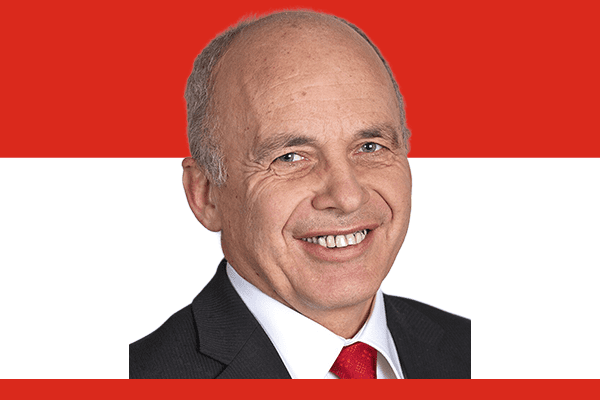
Early Life and Background
Ueli Maurer was born on December 1, 1950, in Wetzikon, in the canton of Zürich, Switzerland. He grew up in a modest environment and pursued a career in agriculture and business before entering politics. He trained as a farmer and later became an agricultural merchant, gaining firsthand experience in Switzerland’s rural economy.
Maurer built his early career through entrepreneurship and local engagement. He developed a strong understanding of economic issues, which later shaped his political priorities. Instead of following a traditional academic path, he relied on practical experience and grassroots involvement.
Political Career Beginnings
Maurer began his political journey with the Swiss People’s Party (SVP), one of Switzerland’s major political parties. He quickly rose through the ranks due to his organizational skills and firm political stance. From 1996 to 2008, he served as the party’s president, strengthening its national influence.
He also served in the National Council, Switzerland’s lower house of parliament, where he represented the canton of Zürich. During this time, he focused on issues such as national security, economic independence, and immigration policies. He actively voiced his opinions and built a reputation as a strong and sometimes controversial leader.
Role in the Federal Council
In 2008, the Federal Assembly elected Ueli Maurer to the Swiss Federal Council, the country’s highest executive body. He assumed office in 2009 and initially headed the Federal Department of Defence, Civil Protection and Sport. In this role, he modernized Switzerland’s defense policies and strengthened national security measures.
Later, in 2016, Maurer took charge of the Federal Department of Finance. As Finance Minister, he managed Switzerland’s fiscal policies, promoted financial stability, and worked to maintain the country’s strong economic position. He handled complex international financial negotiations and defended Switzerland’s banking sector.
Maurer also served as President of the Swiss Confederation twice, in 2013 and 2019. In this largely ceremonial role, he represented Switzerland on the global stage and hosted foreign leaders, enhancing diplomatic relations.
Leadership Style and Contributions
Ueli Maurer leads with a direct and practical approach. He communicates clearly and often takes firm positions on key issues. He consistently emphasizes Swiss neutrality, independence, and economic strength.
He actively supports policies that protect Switzerland’s sovereignty and limit external influence. At the same time, he engages in international cooperation when it benefits the country. His leadership reflects a balance between tradition and modern governance.
Challenges and Criticism
Throughout his career, Maurer has faced criticism for his outspoken views and conservative positions. Some critics argue that his policies on immigration and international relations are too rigid. However, he continues to defend his stance and maintains strong support among his political base.
He navigates political challenges with resilience and adapts to changing circumstances. His ability to remain influential in Swiss politics highlights his strategic thinking and leadership skills.
Legacy and Impact
Ueli Maurer leaves a lasting impact on Switzerland’s political and economic systems. He strengthens the role of the Federal Council and contributes to the country’s stability during his tenure. His work in defense and finance shapes Switzerland’s policies in critical areas.
He remains a key figure in Swiss political history, known for his dedication to national interests and his active leadership style. His influence continues to be studied and discussed in political circles.
Conclusion
Ueli Maurer’s career reflects commitment, resilience, and strong leadership. From his early days in agriculture to his role in the Federal Council, he consistently works to serve Switzerland. His active approach to governance and his focus on national priorities define his legacy.