Mr. Venceslau Brás
In Office: 15 November 1914 – 15 November 1918
Political Party: Mineiro Republican Party
Home State: São Gabriel
Lifespan: 1868–1966
Country: Brazil
Image credits available here.
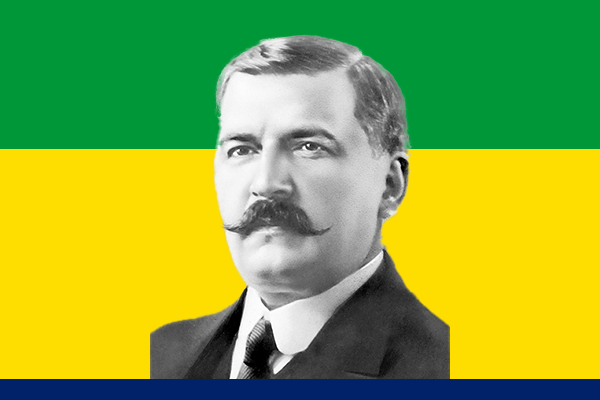
Early Life and Education
Venceslau Brás Pereira Gomes was born on February 26, 1868, in Minas Gerais, Brazil. He grew up in a family that valued education and civic duty. Brás studied law at the Faculty of Law in São Paulo, where he developed an interest in politics and governance. His education shaped his belief in discipline, legal order, and gradual reform as the path to progress. After graduation, he began his career as a lawyer and quickly earned respect for his intelligence and integrity.
Entry into Politics
Brás actively pursued politics at a time when Brazil was evolving from monarchy to a republican system. He joined the local government of Minas Gerais and demonstrated skill in administration and negotiation. As mayor of Monte Santo and later as state deputy, he promoted agricultural development and fair governance. His dedication and ability to mediate conflicts helped him advance to the position of Vice President of Minas Gerais. Brás played a key role in supporting policies that strengthened the economy and improved relations between the federal and state governments.
Rise to the Presidency
In 1914, Venceslau Brás became the ninth President of Brazil after serving as Vice President under President Hermes da Fonseca. His leadership began at a critical time, as World War I had just started. Brás approached his presidency with caution and decisiveness. He focused on maintaining Brazil’s stability while adapting to international changes. He sought to unify political factions and prevent internal unrest by promoting dialogue and moderation among Brazil’s leaders.
Brazil and World War I
During his presidency, Brás faced the challenge of navigating Brazil through World War I. Initially, he kept the country neutral to protect its economic interests. However, when German submarines attacked Brazilian ships, Brás took a firm stand. In 1917, he declared war on Germany, aligning Brazil with the Allied Powers. He mobilized the nation’s resources and supported the Brazilian Navy’s participation in Atlantic patrols. This active decision raised Brazil’s profile on the international stage and demonstrated his firm commitment to defending national sovereignty.
Domestic Policies and Economic Development
Brás believed in building a strong domestic foundation for Brazil’s progress. He encouraged agricultural expansion, industrial growth, and infrastructure development. His government invested in railways, ports, and telegraph lines to connect distant regions and promote trade. He also supported the coffee industry, which remained the backbone of Brazil’s economy at the time. Brás worked to maintain fiscal discipline and restore confidence in the financial system by introducing efficient administrative reforms.
Leadership Style and Legacy
President Venceslau Brás led with calm determination and a sense of national duty. He valued consensus and avoided unnecessary conflicts. He brought together political rivals to promote unity and national stability. His administration strengthened Brazil’s global reputation and laid the groundwork for modernization.
When his term ended in 1918, Brás peacefully transferred power to his successor, demonstrating his respect for democratic principles. After retirement, he returned to Minas Gerais and continued to serve as a respected political advisor and public figure until his death in 1966.
Conclusion
Venceslau Brás guided Brazil through one of the most turbulent periods in global history with discipline and foresight. His leadership during World War I, his commitment to economic growth, and his dedication to national unity marked him as one of Brazil’s most pragmatic and balanced presidents. Brás’ presidency reflected the values of integrity, responsibility, and progress that shaped modern Brazil. His legacy endures as an example of steady leadership during uncertain times.