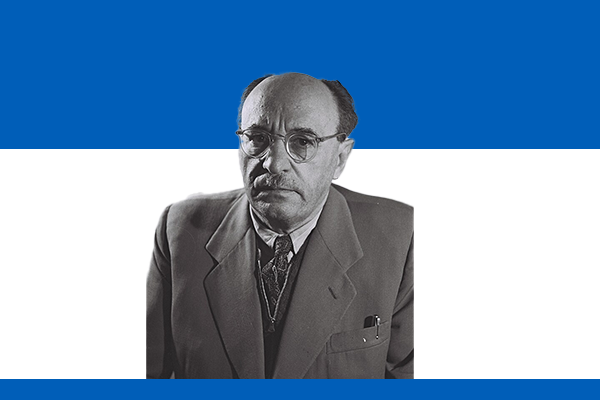
Early Life and Background
Zalman Shazar was born on November 6, 1889, in Mir, a small town in what is now Belarus. His family valued Jewish learning, so they encouraged him to study Hebrew texts from a young age. He developed an early interest in history, literature, and Zionist ideas, which shaped his lifelong commitment to Jewish culture and national revival. As a young man, Shazar joined the Zionist movement and worked actively to inspire Jews to envision a future homeland in Israel.
Immigration to Palestine and Early Career
Shazar immigrated to Palestine in the early 20th century, driven by a passion for building a Jewish national home. He embraced teaching, writing, and cultural activism as tools to strengthen Jewish identity. He wrote articles, delivered lectures, and published works that promoted Hebrew literature. His intellectual energy made him a prominent figure within the developing Jewish community. By supporting educational institutions and cultural programs, he helped shape the spiritual foundation of the emerging nation.
Role in the Labor Zionist Movement
Shazar became deeply involved in the Labor Zionist movement, which promoted social equality, collective cooperation, and nation-building. He joined the Histadrut (General Federation of Labor) and worked to unify Jewish workers across different regions. His leadership encouraged community development and fostered a shared national purpose. Shazar used his articulate communication skills to inspire the movement and advocate for cultural enrichment as a central pillar of society.
Contributions to Journalism and Literature
Shazar made a significant impact on journalism by helping shape Davar, a major Hebrew newspaper. He wrote editorials that highlighted national challenges, cultural progress, and Zionist aspirations. His writing reflected his deep love for the Hebrew language and his belief that literature could guide the nation through difficult times. By influencing public opinion through his journalism, he strengthened national discourse and encouraged thoughtful civic participation.
Political Career and Election as President
Shazar entered politics as a member of Mapai, Israel’s leading political party at the time. He served in the Knesset and later joined the government as Minister of Education. His leadership in education emphasized cultural preservation and high academic standards. In 1963, the Knesset elected him as Israel’s third president. His warm character, scholarly background, and vision for cultural unity made him an ideal national figurehead.
Presidency and National Leadership
As president, Shazar focused on strengthening Israel’s cultural heritage and fostering social cohesion. He welcomed immigrants from around the world and encouraged their integration into Israeli society. He emphasized education as a tool for national development and supported programs that promoted literacy and academic achievement. Shazar frequently hosted writers, scholars, and educators at the president’s residence, turning it into a hub of cultural dialogue.
During his presidency, Israel faced regional tensions and security challenges. Shazar responded by encouraging national resilience and unity. He traveled across the country, met citizens from diverse backgrounds, and reassured them of the nation’s strength. His calm, thoughtful leadership provided moral support during uncertain times.
Cultural Legacy and Influence
Shazar left a powerful cultural legacy. He championed Hebrew literature, supported authors and intellectuals, and promoted national education. His own writings continue to inspire readers with their depth and historical insight. He believed that a strong culture could help Israel thrive both spiritually and socially.
Final Years and Lasting Impact
Zalman Shazar completed two terms as president, leaving office in 1973. He dedicated the rest of his life to writing, research, and public engagement. He passed away in 1974, but his influence remains visible in Israel’s cultural institutions, educational system, and national identity.