Mr. Zillur Rahman
In Office: 12 February 2009 – 20 March 2013
Political Party: Awami League
Home State: Bhairab
Lifespan: 1929–2013
Country: Bangladesh
Image credits available here.
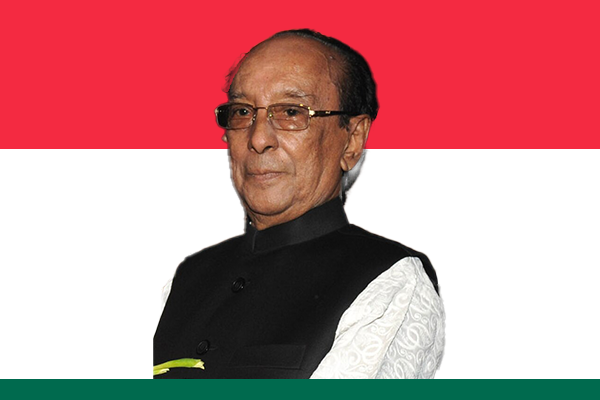
Early Life and Education
Zillur Rahman was born on March 9, 1929, in Bhairab, a town in present-day Kishoreganj. He grew up in a politically aware family that encouraged learning and community involvement. Rahman attended Bhairab Government High School and later studied at Dhaka College. He completed his bachelor’s and master’s degrees in history from the University of Dhaka. Throughout his academic journey, he developed a strong commitment to public welfare and national progress.
Entry into Politics
Rahman entered politics as a young student activist. He joined the Awami League and supported its movement for autonomy and democratic rights. He actively participated in the Language Movement of 1952, which defended the cultural and linguistic identity of Bengali people. His early political work demonstrated his courage and dedication to the nation’s future. Rahman’s involvement in social and political causes soon made him a significant figure within the Awami League.
Role in the Liberation War
During the 1971 Liberation War, Rahman played an essential role in organizing political resistance. He mobilized supporters, encouraged youth participation, and helped maintain communication among party leaders. The Pakistani military arrested him because of his strong support for independence, but he remained committed to the cause even while in custody. His determination during the war strengthened his reputation as a loyal and courageous political leader.
Contribution to Post-Independence Bangladesh
After Bangladesh gained independence, Rahman worked closely with the government to rebuild the new nation. He took part in policy development, administrative planning, and political coordination within the Awami League. He also focused on strengthening democratic institutions and improving public participation in governance. His dedication to political stability helped the country transition through various challenges.
Leadership Within the Awami League
Rahman rose through the ranks of the Awami League because of his loyalty, experience, and leadership skills. He served as party secretary and played a key role in organizing party activities across Bangladesh. He guided local leaders, managed political campaigns, and promoted unity during difficult times. His calm personality and firm principles earned him deep respect within the party. Rahman became one of the most trusted advisers in the Awami League and contributed significantly to its long-term success.
Presidency of Bangladesh
In 2009, the National Parliament elected Zillur Rahman as the President of Bangladesh. As president, he emphasized constitutional governance, national harmony, and democratic values. He encouraged cooperation among political parties and urged policymakers to focus on economic development. Rahman represented Bangladesh in various international forums and promoted the country’s image abroad.
He also supported social welfare programs and encouraged investment in education, healthcare, and rural development. His presidency remained stable and respected because he valued diplomacy, dialogue, and public service.
Guiding the Nation Through Challenges
Rahman led the nation during a time of political tension and economic shifts. He used his experience to promote peaceful dialogue and national unity. He met community leaders, exchanged views with civil society, and emphasized mutual respect as a path to progress. His patient leadership helped the country manage internal differences and move forward with development efforts.
Legacy and Influence
President Zillur Rahman left a lasting impact on Bangladesh’s political history. He inspired millions through his honesty, discipline, and lifelong service to the nation. Political leaders across the country admired his dedication to democracy and his commitment to public welfare. His ability to remain humble while holding the highest office made him a beloved figure in Bangladesh.
Rahman’s legacy continues to influence political discourse, democratic values, and national development. He stands as a symbol of patience, integrity, and unwavering devotion to the country.