Mr. Zivko Radisic
In Office: 13 October 1998 – 28 October 2002
Political Party: Socialist Party
Home State: Prijedor
Lifespan: 1937–2021
Country: Bosnia and Herzegovina
Image credits available here.
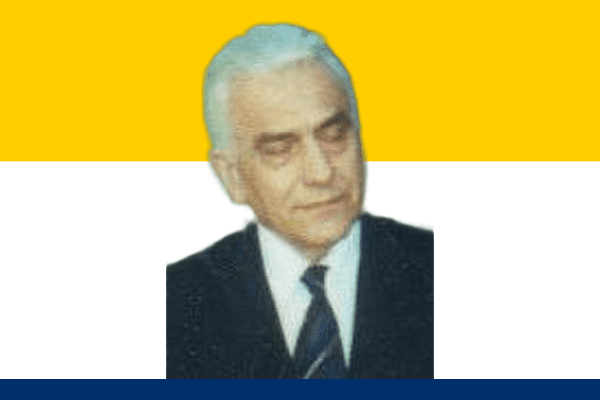
Early Life and Education
Živko Radišić was born on 15 August 1937 in Prijedor, in what was then the Kingdom of Yugoslavia. He grew up during a period marked by political changes and economic transformation. After completing his early education, he pursued higher studies in engineering and graduated from the Faculty of Mechanical Engineering at the University of Sarajevo. His technical education helped him develop analytical and administrative skills that later proved valuable in public service and politics.
Before entering national politics, Radišić built a successful career in engineering and management. He held various leadership positions in industrial enterprises and gained extensive experience in administration and organizational management.
Political Career
Živko Radišić began his political journey during the socialist era of Yugoslavia. Over time, he became actively involved in public administration and political leadership. Following the breakup of Yugoslavia and the Bosnian War, he joined the Alliance of Independent Social Democrats (SNSD) and emerged as one of the party’s senior leaders.
His political influence expanded as Bosnia and Herzegovina established new democratic institutions under the Dayton Peace Agreement. Radišić advocated political stability, dialogue among ethnic communities, and constitutional governance. His pragmatic approach earned him respect from supporters who valued cooperation within the country’s power-sharing framework.
Presidency of Bosnia and Herzegovina
In 1998, Živko Radišić was elected as the Serb member of the collective Presidency of Bosnia and Herzegovina. He served until 2002, representing the interests of Republika Srpska while participating in the country’s highest executive institution.
During his term, Radišić worked with fellow members of the Presidency to strengthen state institutions and improve cooperation among Bosnia and Herzegovina’s three constituent peoples. He supported diplomatic engagement with neighboring countries and encouraged closer relations with European institutions.
As a member of the rotating presidency, he shared responsibility for foreign policy, national security, and international representation. His tenure coincided with an important period of post-war reconstruction, democratic reforms, and efforts to attract international investment.
Leadership Style and Contributions
Radišić adopted a practical and moderate leadership style. Rather than pursuing confrontation, he often emphasized negotiation and political compromise. He encouraged peaceful dialogue among political parties and supported institutional decision-making within the constitutional framework established after the war.
His engineering background influenced his systematic approach to governance. He focused on administrative efficiency, political stability, and economic recovery. Although political disagreements frequently challenged the Presidency, Radišić remained committed to fulfilling his constitutional responsibilities.
Legacy
Živko Radišić left a lasting mark on Bosnia and Herzegovina’s post-war political landscape. His service in the Presidency reflected the country’s efforts to build democratic institutions based on cooperation among different ethnic communities.
Historians remember him as an experienced administrator who contributed to political dialogue during a sensitive period of national reconstruction. While opinions about his policies differ across political perspectives, his role in strengthening constitutional governance remains an important part of Bosnia and Herzegovina’s modern history.
Radišić passed away on 5 September 2021 at the age of 84. His long career in engineering, public administration, and politics continues to be recognized as a significant chapter in the political development of Bosnia and Herzegovina.
Conclusion
Živko Radišić dedicated decades of his life to public service, administration, and politics. From his beginnings as an engineer to his service as a member of the Presidency of Bosnia and Herzegovina, he consistently worked within democratic institutions during a period of major political transition. His emphasis on dialogue, constitutional governance, and cooperation secured his place among the notable political leaders of post-war Bosnia and Herzegovina.