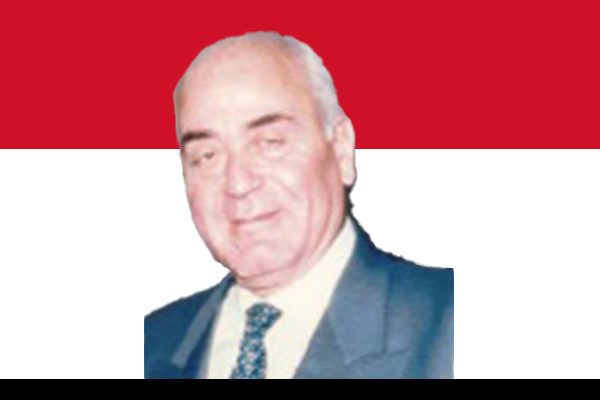
Early Life and Education
Abdel Aziz Mohamed Hegazy was born in 1923 in Egypt. He pursued higher education with dedication and specialized in economics. He graduated from Cairo University and later traveled abroad to continue his studies. Hegazy earned his PhD in economics from the University of Birmingham in the United Kingdom. By gaining international exposure, he strengthened his knowledge and prepared himself for a career in academia and public service.
Academic Career
Hegazy built a strong academic foundation before entering politics. He joined Cairo University as a professor of economics. He wrote extensively on financial planning and development strategies. As an educator, he inspired a generation of Egyptian students and scholars. His expertise in financial matters brought him recognition beyond the academic world, and the government started relying on his advice for economic reforms.
Entry into Politics
Egyptian leaders valued Hegazy’s economic knowledge. President Gamal Abdel Nasser appointed him as Minister of the Treasury in the 1960s. In this role, Hegazy managed state finances and worked to stabilize the Egyptian economy during a turbulent period. He introduced financial regulations and encouraged systematic planning to support national development. His success in this position helped him advance further in politics.
Role as Minister of Finance and Planning
Later, Hegazy became Egypt’s Minister of Finance and Planning under President Anwar Sadat. He guided the country through challenging financial times. He promoted economic restructuring, supported development projects, and emphasized industrial growth. Hegazy also encouraged foreign investment to boost Egypt’s economy. Hegazy introduced economic policies that reflected both discipline and vision. His reputation as a skilled economist grew, and he became a trusted figure in the government.
Prime Minister of Egypt (1974–1975)
In 1974, President Anwar Sadat appointed Abdel Aziz Mohamed Hegazy as Prime Minister of Egypt. Hegazy took charge during a crucial transitional period following the October War of 1973. The war had affected Egypt’s economy, and the nation required strong financial leadership.
As Prime Minister, Hegazy implemented economic reforms to restore stability. He introduced programs to encourage investment and development. He supported Sadat’s “Infitah” or “Open Door Policy,” which aimed to liberalize the Egyptian economy. Hegazy also managed administrative affairs with precision and efficiency. His government promoted cooperation between the public and private sectors. Although his tenure as Prime Minister was brief, lasting only until 1975, Hegazy left a significant impact. He balanced political demands with economic needs and ensured that Egypt remained on a path of recovery after the war.
Later Life and Contributions
After leaving the office of Prime Minister, Hegazy continued to contribute to Egypt’s economic development. He worked as an advisor and remained active in academic and financial circles. He guided young economists and continued to publish works on development and planning. His career reflected a lifelong commitment to Egypt’s growth.
Legacy
Abdel Aziz Mohamed Hegazy passed away in 2014, leaving behind a legacy as both an economist and a statesman. Egyptians remember him as a leader who combined academic excellence with practical governance. His role in shaping Egypt’s financial and planning strategies continues to inspire policymakers.
Hegazy’s leadership showed how knowledge and vision can guide a nation through challenging times. His short yet impactful service as Prime Minister demonstrated his ability to bridge economics and politics effectively.