Mr. Abdul Zahir
In Office: 9 June 1971- 12 November 1972
Political Party: Independent
Home State: De Baghalak
Lifespan: 1910–1982
Country: Afghanistan
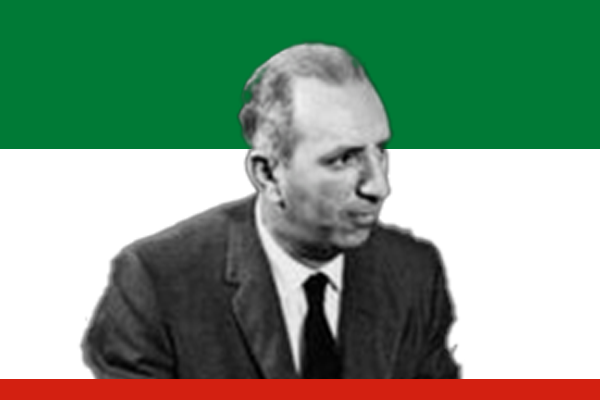
Early Life and Education
Abdul Zahir was born in 1910 in Laghman Province, Afghanistan, into a respected Pashtun family. Known for his intellect and discipline, he pursued early education in Kabul and later continued his studies abroad. He attended Columbia University in the United States, where he earned a medical degree, becoming one of the few Afghans at the time with advanced Western education. His exposure to democratic principles and scientific thinking abroad shaped his moderate and reformist political philosophy.
Entry into Public Service
On returning to Afghanistan, Abdul Zahir began his career as a medical doctor, but soon shifted to public administration and politics, recognizing the broader needs of his country. His background and Western education quickly gained him recognition within royal and technocratic circles. He served in various capacities, including Minister of Health and Minister of Education, where he emphasized modernization and institutional reform.
Role as Speaker of the House (1961–1968)
Zahir’s most influential role before becoming prime minister was as Speaker of the Wolesi Jirga (House of the People) from 1961 to 1968. This was during Afghanistan’s experiment with constitutional monarchy under the 1964 Constitution, which introduced democratic reforms such as elections, press freedom, and limited parliamentary governance.
As Speaker, Abdul Zahir played a crucial role in guiding legislative debates, maintaining order, and encouraging democratic practices within the limits of the system. He was admired for his non-partisan leadership, commitment to parliamentary procedure, and efforts to uphold the spirit of the constitution.
Prime Ministership (1971–1972)
In 1971, King Zahir Shah appointed Abdul Zahir as Prime Minister of Afghanistan, during a time of significant economic and humanitarian challenges, particularly due to widespread drought and food shortages. His government prioritized disaster response, civil administration reform, and efficiency in governance. However, with limited resources and rising public dissatisfaction, his government faced mounting criticism.
Zahir’s moderate and technocratic leadership could not satisfy growing demands for political change, and in 1972, he resigned, ending a brief and difficult tenure as prime minister. His departure marked one of the final attempts at democratic civilian rule before the fall of the monarchy.
Life After Politics and Personal Legacy
After the 1973 coup by Mohammad Daoud Khan that abolished the monarchy, Abdul Zahir retired from political life. He lived quietly and passed away in 1982. His son, Ahmad Zahir, became Afghanistan’s most iconic pop singer, often called the “Elvis Presley of Afghanistan.”
Legacy
Abdul Zahir is remembered as a dedicated public servant, moderate reformer, and believer in constitutional democracy. Though his time as Prime Minister was short, his contributions as Speaker and his overall commitment to good governance made a lasting impact. His life symbolizes the promise and fragility of Afghanistan’s brief democratic period before decades of coups, wars, and authoritarian rule transformed the country.