Mr. Abraham Kuyper
In Office: 1 August 1901 – 17 August 1905
Political Party: Anti-Revolutionary Party
Home State: Maassluis
Lifespan: 1837–1920
Country: Netherland
Image credits available here.
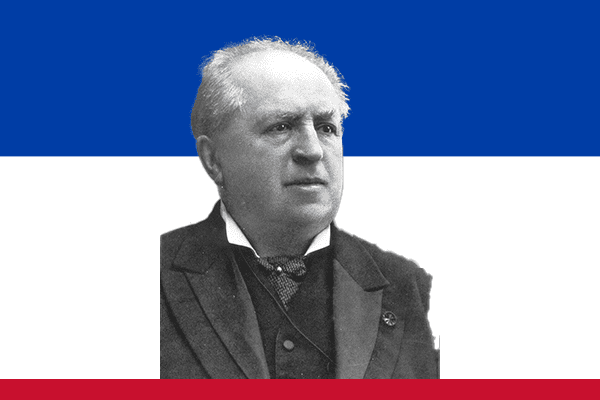
Early Life and Education
Abraham Kuyper was born in Maassluis, a small town in the Netherlands. His father served as a minister in the Dutch Reformed Church, and he strongly influenced Kuyper’s early religious beliefs. Kuyper studied theology at Leiden University, where he developed a deep interest in philosophy, religion, and politics. During his early career, he worked as a pastor, but his intellectual curiosity soon pushed him toward journalism and public life.
Rise in Politics
Kuyper actively entered politics and quickly emerged as a powerful leader. He founded the Anti-Revolutionary Party (ARP) in 1879, which became the first political party with a structured organization in Dutch history. Kuyper strongly opposed the liberal ideas that dominated European politics at the time and advocated for a Christian-based political system.
He also established the Free University of Amsterdam in 1880, which reflected his belief in educational independence. Kuyper’s concept of “pillarization” encouraged different religious and social groups to coexist peacefully while maintaining their own institutions. His leadership brought together Protestants, Catholics, and other groups under a shared political vision.
Tenure as Prime Minister
Abraham Kuyper served as Prime Minister of the Netherlands from 1901 to 1905. During his tenure, he actively implemented policies that strengthened religious schools and improved social welfare. He worked to balance the interests of different social groups and ensured that the government respected religious freedoms.
Kuyper’s government introduced labor laws that improved working conditions and protected workers’ rights. He also focused on strengthening the Dutch economy and maintaining political stability. His leadership style remained firm and visionary, and he worked tirelessly to unify the nation under his principles.
Ideology and Contributions
Kuyper is best known for his idea of “sphere sovereignty,” which emphasized that different areas of life—such as family, church, and state—should operate independently. This concept influenced not only Dutch politics but also political thought worldwide.
He contributed significantly to journalism by founding newspapers that promoted his political and religious views. His writings and speeches inspired many people and shaped public opinion. Kuyper’s influence extended beyond politics into education, religion, and social reform.
Legacy
Abraham Kuyper left a lasting legacy in the Netherlands. He transformed the political system by introducing organized party politics and promoting cooperation among diverse groups. His ideas about religious freedom and social harmony continue to influence modern democratic systems.
Even after his time as Prime Minister, Kuyper remained an important intellectual figure. His contributions to theology, education, and governance have been widely recognized. Today, he is remembered as one of the most influential leaders in Dutch history.
Conclusion
Abraham Kuyper stands out as a visionary leader who reshaped Dutch society through active leadership and innovative ideas. He guided the Netherlands through a period of political change and laid the foundation for a modern, inclusive political system. His contributions continue to inspire scholars and leaders around the world.