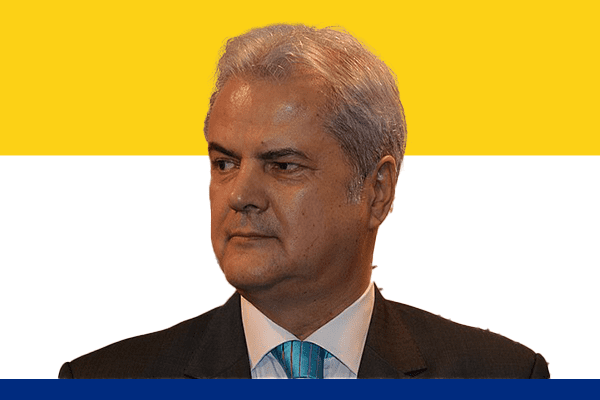
Early Life and Education
Adrian Năstase was born on 22 June 1950 in Bucharest, Romania. He pursued higher education in law and graduated from the University of Bucharest, where he built a strong academic foundation. He later specialized in international law and political science, developing expertise that supported his later political and diplomatic career. Before entering the highest levels of government, he worked as a legal scholar and university professor. His educational background gave him a deep understanding of constitutional matters, international relations, and governance.
Political Career and Rise to Power
Adrian Năstase entered national politics during the period of political transformation that followed the fall of communism in Romania in 1989. He quickly emerged as an influential figure in the post-communist political system. He held several important positions, including Minister of Foreign Affairs and President of the Chamber of Deputies. These roles helped him gain experience in domestic administration as well as foreign policy.
In the 2000 general elections, the Social Democratic Party won a strong mandate, and Adrian Năstase became Prime Minister. His government focused on restoring economic stability, improving public administration, and accelerating Romania’s international integration. He led the country at a time when Romania needed both internal reforms and stronger international credibility.
Leadership as Prime Minister
As Prime Minister, Adrian Năstase placed economic development and institutional reform at the center of his government’s agenda. His administration worked to reduce inflation, attract foreign investment, and encourage privatization in key sectors of the economy. These policies contributed to improved macroeconomic stability and higher investor confidence. Romania’s economy experienced visible growth during his tenure, and the country became more attractive to international partners.
One of Năstase’s most important achievements was Romania’s progress toward NATO membership. Under his leadership, Romania strengthened cooperation with Western allies and implemented defense reforms. These efforts resulted in Romania receiving an invitation to join NATO in 2002, with formal accession completed in 2004. This development marked a historic shift in Romania’s security and foreign policy.
His government also pushed forward negotiations for European Union accession. Adrian Năstase promoted legal, administrative, and economic reforms required by the EU. His administration aligned Romanian laws more closely with European standards and improved state institutions. These steps laid the groundwork for Romania’s eventual EU membership in 2007.
Legacy and Historical Importance
Adrian Năstase remains an important figure in Romanian political history because he guided the country during a crucial period of transition and modernization. His premiership helped Romania strengthen democratic institutions, improve economic performance, and move closer to Western political and security structures. Although his later career became controversial due to legal issues, his role in advancing Romania’s strategic goals remains widely recognized.
In conclusion, Adrian Năstase’s term as Prime Minister had a lasting impact on Romania. Through reforms, diplomacy, and determined leadership, he helped prepare the country for a more stable and internationally connected future. His time in office represents a key chapter in Romania’s post-communist development.