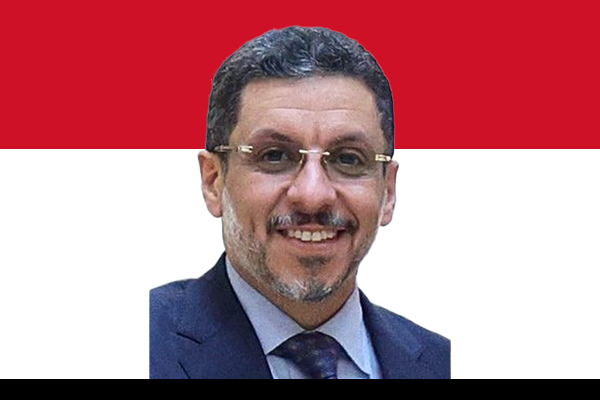
Early Life and Education
Ahmad Awad bin Mubarak was born in Yemen and pursued higher education with a strong focus on political science and public administration. He earned advanced academic qualifications, including a doctorate, which helped shape his analytical and reform-oriented mindset. His academic career allowed him to understand governance not only as a political process but also as a system that requires transparency, accountability, and long-term planning. This scholarly foundation later influenced his approach to public service and diplomacy.
Entry into Politics and Public Service
Bin Mubarak entered national prominence during Yemen’s transitional phase following the 2011 political upheaval. He played a significant role in dialogue-based politics, particularly in initiatives aimed at national reconciliation. His reputation as a technocrat and consensus builder helped him gain trust across different political circles. Over time, he became known for prioritizing constitutional processes and inclusive governance rather than partisan interests.
Diplomatic Career
Before becoming Prime Minister, Ahmad Awad bin Mubarak served as Yemen’s Minister of Foreign Affairs. In this role, he represented Yemen on international platforms and worked to strengthen diplomatic ties with regional and global partners. He actively communicated Yemen’s political realities to the international community and sought support for peace, humanitarian assistance, and economic recovery. His diplomatic experience enhanced his understanding of global politics and Yemen’s strategic position.
Appointment as Prime Minister
Ahmad Awad bin Mubarak’s appointment as Prime Minister came at a time when Yemen faced severe political fragmentation, economic decline, and humanitarian crisis. His selection was widely seen as a move toward professional governance and administrative reform. As Prime Minister, he focused on restoring confidence in state institutions, improving coordination among government bodies, and addressing urgent economic challenges affecting ordinary citizens.
Leadership Style and Vision
As Prime Minister, bin Mubarak is known for his pragmatic and reform-driven leadership style. He emphasizes transparency, rule of law, and institutional responsibility. His vision includes stabilizing the economy, reforming public finance, combating corruption, and strengthening service delivery. He also stresses the importance of national unity and political dialogue as the foundation for lasting peace in Yemen.
Challenges and Responsibilities
Leading Yemen is an immense challenge due to ongoing conflict, economic instability, and humanitarian needs. Prime Minister Ahmad Awad bin Mubarak faces the task of balancing political negotiations with immediate governance responsibilities. Despite these obstacles, he continues to advocate for peaceful solutions, international cooperation, and reforms that can gradually restore stability and hope for the Yemeni people.
Conclusion
Prime Minister Ahmad Awad bin Mubarak stands out as a thoughtful leader shaped by education, diplomacy, and reformist ideals. His role in Yemen’s political landscape reflects a commitment to dialogue, institutional strength, and national recovery. While the challenges remain significant, his leadership represents an effort to steer Yemen toward stability, governance reform, and a more secure future.