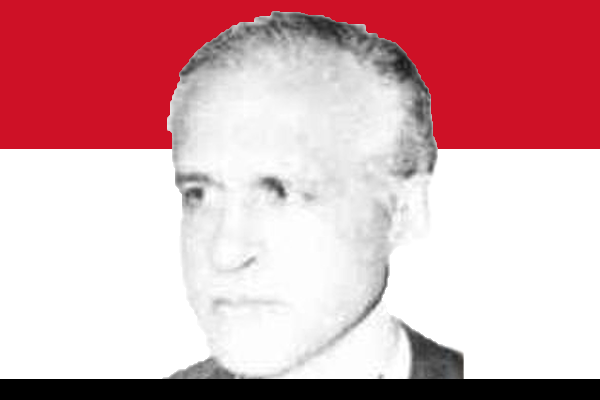
Early Life and Education
Ahmad Fuad Mohieddin was born in 1926 in Egypt. He grew up in a period when the nation was experiencing political and social change. He pursued his studies with determination and later specialized in medicine. As a physician, he built a reputation for serving people with compassion and dedication. His medical background shaped his approach to governance, emphasizing practical solutions and human welfare.
Entry into Politics
Mohieddin entered politics during a time when Egypt was navigating challenges of modernization and governance. He joined the Arab Socialist Union and quickly gained recognition for his organizational skills and pragmatic outlook. His commitment to public service allowed him to rise through different administrative and ministerial positions. He managed responsibilities in health, housing, and social affairs with efficiency and foresight.
Role in Government Before Premiership
Before becoming prime minister, Mohieddin held several ministerial roles. He worked as the Governor of Alexandria, where he implemented developmental policies that improved infrastructure and local administration. Later, as Minister of Housing, he addressed urban issues and introduced policies to expand affordable housing. His initiatives reflected his vision of social equality and national progress. Through these roles, he demonstrated his ability to balance administrative discipline with social needs.
Appointment as Prime Minister
President Hosni Mubarak appointed Ahmad Fuad Mohieddin as Prime Minister in January 1982. Mubarak trusted Mohieddin’s administrative expertise and reformist mindset. Mohieddin accepted the responsibility with determination to guide Egypt through political and economic challenges. His tenure came during a sensitive period after the assassination of President Anwar Sadat, when stability was a national priority.
Reforms and Achievements
As Prime Minister, Mohieddin focused on strengthening Egypt’s internal stability and administrative systems. He promoted development projects that improved housing, healthcare, and education. He encouraged modernization in state institutions while safeguarding social welfare. Mohieddin also supported Mubarak’s foreign policy approach, which sought to maintain peace in the region and strengthen Egypt’s global role.
He introduced policies that aimed to reduce bureaucratic inefficiencies. By encouraging transparency and accountability in government offices, he sought to make the administration more effective. His leadership also emphasized the importance of public health and social justice, reflecting his medical background and human-centered vision.
Leadership Style
Mohieddin led with calmness and discipline. He preferred practical solutions over rhetoric and built consensus in government decision-making. His leadership style earned him respect among colleagues and trust from the public. He maintained close ties with professional communities, especially in healthcare, and encouraged experts to contribute to policymaking.
Challenges Faced
Despite his efforts, Mohieddin faced challenges in dealing with Egypt’s growing population, economic pressures, and social demands. The early 1980s were marked by global economic difficulties, which affected Egypt as well. Balancing limited resources with growing national needs required resilience and strategic planning. Mohieddin navigated these challenges with patience, although not all goals could be achieved during his short tenure.
Death and Legacy
Ahmad Fuad Mohieddin’s career ended unexpectedly when he passed away in June 1984 while still in office. His sudden death created a sense of loss in Egypt, as he was considered a capable and honest leader. Egyptians remembered him as a prime minister who combined professionalism with a deep sense of duty toward society.
Conclusion
Ahmad Fuad Mohieddin remains a significant figure in Egypt’s political history. He rose from being a dedicated physician to serving as Prime Minister, demonstrating integrity, vision, and commitment to national progress. His leadership during a sensitive period helped stabilize Egypt and strengthened the government’s administrative foundation. His legacy endures as that of a leader who valued service, reform, and the well-being of the people.