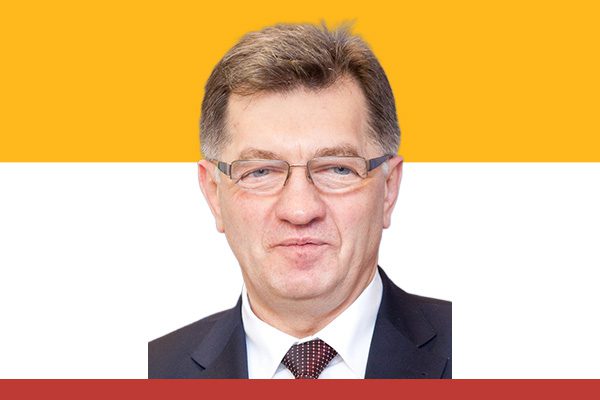
Early Life and Education
Algirdas Butkevičius was born on November 19, 1958, in Paežeriai, a village in Lithuania. He grew up in a rural environment where he learned the values of hard work and responsibility. He pursued higher education at the Vilnius Civil Engineering Institute, where he studied economics and engineering-related subjects. His academic background helped him develop strong analytical and managerial skills, which later proved valuable in his political career.
After completing his studies, Butkevičius worked in various economic and management positions. These experiences provided him with practical knowledge of finance, administration, and economic planning.
Beginning of Political Career
After Lithuania regained its independence in 1990, Butkevičius became actively involved in politics. He joined the Lithuanian Social Democratic Party, one of the country’s major political parties. His dedication and leadership abilities helped him rise through the ranks of the party.
In 1996, he was elected to the Lithuanian Parliament, known as the Seimas. As a member of parliament, he worked on economic and social issues affecting the country. His expertise in finance and economics made him a respected figure among fellow politicians.
Ministerial Responsibilities
Before becoming prime minister, Butkevičius served in several important government roles. From 2004 to 2005, he served as the Minister of Finance of Lithuania. During this period, he worked to strengthen the country’s financial system and improve economic management.
Later, he served as the Minister of Transport and Communications. In this position, he focused on improving transportation infrastructure and enhancing communication networks. His efforts contributed to modernization projects that supported Lithuania’s economic growth and regional connectivity.
These ministerial experiences prepared him for higher leadership responsibilities and increased his public visibility.
Prime Minister of Lithuania
In 2012, the Lithuanian Social Democratic Party won significant support in parliamentary elections, and Algirdas Butkevičius became the Prime Minister of Lithuania. He officially took office on December 13, 2012.
As prime minister, he concentrated on economic recovery, job creation, and social development. Lithuania had faced economic challenges following the global financial crisis, and his government implemented policies aimed at promoting growth and reducing unemployment. Under his leadership, the country’s economy showed steady improvement.
Butkevičius also emphasized cooperation with the European Union and strengthened Lithuania’s role within European institutions. One of the most significant achievements during his tenure was Lithuania’s adoption of the euro in 2015, which enhanced the country’s economic integration with Europe.
Leadership Style and Achievements
Algirdas Butkevičius was known for his calm and practical leadership style. He preferred dialogue and cooperation when addressing political challenges. His government worked to improve living standards, support businesses, and maintain fiscal discipline.
Many observers praised his ability to balance economic growth with social welfare programs. His leadership helped Lithuania maintain political stability during a period of important economic changes.
Legacy
After completing his term as prime minister in 2016, Butkevičius continued to participate in public and political life. His contributions to Lithuania’s economic development and European integration remain significant. He is remembered as a leader who guided the country through important reforms and promoted stability and growth.
Conclusion
Algirdas Butkevičius is an influential figure in modern Lithuanian politics. From his early career in economics to his service as prime minister, he demonstrated commitment to public service and national development. His efforts to strengthen Lithuania’s economy, improve infrastructure, and deepen European cooperation have left a lasting impact on the nation. Today, he remains an important part of Lithuania’s political history and democratic development.