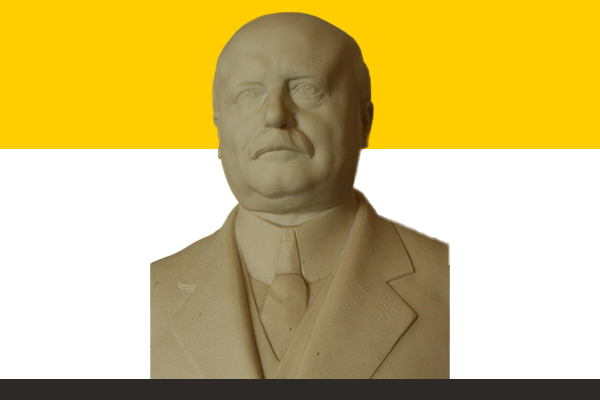
Early Life and Education
Aloys Van de Vyvere was born on December 1, 1871, in Tielt, Belgium. He grew up in a devout Catholic family that valued education and civic duty. Van de Vyvere pursued his higher education at the Catholic University of Leuven, where he studied law. His academic background equipped him with the intellectual rigor and moral conviction that would later define his political career. He developed a deep interest in national development and social welfare, which guided his future contributions to Belgium’s progress.
Entry into Politics
Van de Vyvere began his political journey as a member of the Catholic Party. He entered parliament in 1900 and quickly gained recognition for his commitment to social and economic reform. He advocated for fair labor laws, agricultural support, and industrial growth. His strong sense of justice and efficiency helped him build a reputation as one of the most capable politicians of his time.
By focusing on practical solutions, Van de Vyvere earned the trust of both his colleagues and the Belgian public. He believed that government should actively uplift citizens through economic empowerment and moral leadership. His early political achievements positioned him as a leading figure in national politics.
Ministerial Roles and Economic Initiatives
Before becoming Prime Minister, Van de Vyvere held several key ministerial positions. He served as Minister of Agriculture, Minister of Finance, and Minister of Industry and Labor. In these roles, he actively implemented policies to strengthen Belgium’s economy and improve social welfare.
As Minister of Agriculture, he promoted modernization and rural development. He encouraged farmers to adopt new methods and technologies to increase productivity. During his tenure as Minister of Finance, he introduced fiscal reforms to stabilize the national budget and promote economic resilience. His leadership helped Belgium recover from the economic challenges that followed World War I.
Van de Vyvere also supported industrial expansion and sought to balance the interests of workers and employers. He worked to establish fair labor conditions while fostering a business environment that encouraged innovation and growth.
Tenure as Prime Minister
Aloys Van de Vyvere became Prime Minister of Belgium in May 1925. His government focused on rebuilding the nation after the devastation of the war. He emphasized economic reconstruction, financial stability, and social unity. Though his tenure lasted only a few months, Van de Vyvere made a significant impact through his dedication to responsible governance.
He actively collaborated with different political groups to promote national cohesion. His leadership style reflected diplomacy, pragmatism, and a firm belief in democratic values. Despite political challenges, he maintained integrity and worked tirelessly to ensure that Belgium remained stable and forward-looking.
Later Years and Legacy
After his term as Prime Minister, Van de Vyvere continued to influence Belgian politics and public life. He remained involved in various social and economic organizations that supported national development. His lifelong dedication to public service earned him great respect from both allies and opponents.
Aloys Van de Vyvere passed away on November 22, 1961, leaving behind a legacy of honest leadership and patriotic service. His contributions to Belgium’s political, agricultural, and financial systems continue to be remembered as examples of visionary governance.
Conclusion
Prime Minister Aloys Van de Vyvere exemplified integrity, intelligence, and commitment in every aspect of his public life. He transformed Belgium’s political and economic institutions through his active leadership and unwavering dedication to national progress. His life remains a model of responsible statesmanship and enduring service to the people of Belgium.