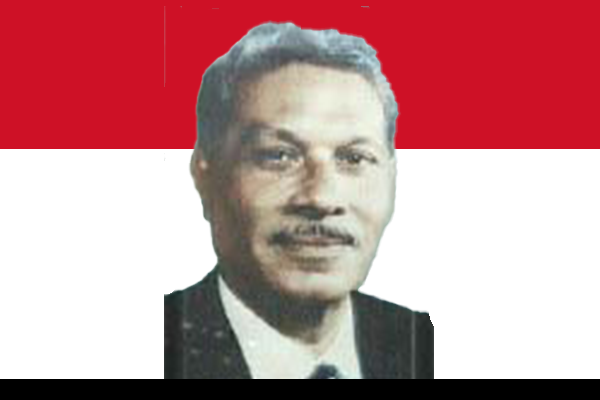
Early Life and Education
Aly Lotfy Mahmoud was born in 1935 in Egypt. He grew up in a period marked by national transformation and political change. He pursued his higher education at Cairo University, where he studied economics. His dedication to academic excellence shaped his understanding of financial policies and government administration. Mahmoud later specialized in economics and public finance, which positioned him as an expert in Egypt’s economic challenges.
Academic and Professional Career
Mahmoud built a strong academic career before entering politics. He taught economics at Cairo University, where he inspired students and contributed to economic research. His work as a professor helped him analyze Egypt’s financial systems and design strategies for economic reform. He also served in administrative positions, which gave him insight into government operations and fiscal planning.
Entry into Politics
Egyptian leaders recognized Mahmoud’s expertise in economics. They appointed him to several government positions, where he applied his knowledge to national policies. He became Minister of Finance and played a key role in managing Egypt’s budget, taxation, and economic programs. His ability to balance academic knowledge with practical governance helped him rise in political ranks.
Appointment as Prime Minister
In September 1985, President Hosni Mubarak appointed Aly Lotfy Mahmoud as Prime Minister of Egypt. Mahmoud assumed office during a time of economic strain and political shifts. He faced the challenge of stabilizing Egypt’s economy, which suffered from debt and inflation. As Prime Minister, he worked to implement policies that balanced fiscal discipline with social needs.
Policies and Economic Reforms
Mahmoud introduced several economic reforms to improve Egypt’s financial situation. He encouraged investment, strengthened budgetary controls, and sought international cooperation. He aimed to reduce government spending while protecting essential public services. His leadership emphasized modernization and efficiency in Egypt’s economic system. Though his reforms faced resistance, Mahmoud remained committed to restructuring the economy for long-term stability.
Challenges in Leadership
Despite his efforts, Mahmoud encountered significant obstacles. Inflation, debt, and global economic pressures made reforms difficult. Public resistance to austerity measures also created political challenges. However, Mahmoud continued to promote policies that sought to improve Egypt’s financial standing and secure international support. His brief tenure reflected the difficulties leaders faced in balancing economic reform with social expectations.
End of Tenure
Mahmoud’s time as Prime Minister ended in November 1986, when he was succeeded by Atef Sedky. Although his period in office was short, his influence remained important. He continued to contribute to academia and economic research after leaving government service.
Later Contributions and Legacy
After his premiership, Aly Lotfy Mahmoud returned to teaching and research. He trained new generations of economists and advised on financial matters. His dual role as an academic and a political leader gave him a unique place in Egypt’s history. Mahmoud passed away in 2018, but his contributions to Egypt’s economic thought and governance continued to inspire policymakers and students alike.
Conclusion
Prime Minister Aly Lotfy Mahmoud played a vital role in Egypt’s political and economic life. He combined academic expertise with government service, guiding the country through a difficult financial period. His short but impactful tenure as Prime Minister demonstrated his dedication to reform, stability, and education. Mahmoud’s legacy endures in Egypt’s history as a leader who valued knowledge, reform, and service to the nation.