Mr. Anker Jorgensen
In Office: 5 October 1972 – 19 December 1973
13 February 1975 – 10 September 1982
Political Party: Social Democrats
Home State: Copenhagen
Lifespan: 1922–2016
Country: Denmark
Image credits available here.
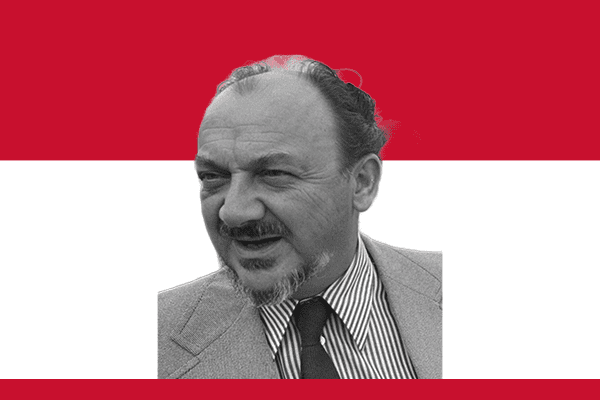
Early Life and Education
Anker Henrik Jørgensen was born on July 13, 1922, in Copenhagen, Denmark. He grew up in a poor family and experienced financial struggles during his childhood. After losing his father at a young age, he learned the importance of hard work and responsibility. Instead of pursuing higher education at a university, he trained as a warehouse worker and later joined the labor movement.
His experiences as a worker helped him understand the daily challenges faced by ordinary people. He became active in trade unions and quickly earned respect for his honesty, dedication, and leadership skills. These qualities eventually guided him into national politics.
Entry into Politics
Anker Jørgensen joined the Social Democratic Party and actively participated in labor organizations. He focused on improving working conditions, increasing wages, and protecting social equality. His strong communication skills and practical understanding of workers’ problems made him a popular political figure.
In 1964, he entered the Danish Parliament, known as the Folketing. He worked hard to represent working-class citizens and supported policies that promoted fairness and economic security. His commitment to public service helped him gain influence within the Social Democratic Party.
Becoming Prime Minister
In 1972, Anker Jørgensen became Prime Minister of Denmark after the resignation of Jens Otto Krag. At that time, Denmark faced economic difficulties caused by global oil crises and rising unemployment. Jørgensen accepted the challenge and worked to stabilize the economy while protecting social welfare programs.
During his leadership, he promoted cooperation between workers, businesses, and the government. He believed that dialogue and compromise could solve national problems more effectively than conflict. His government introduced policies that supported healthcare, education, and social security.
Although economic conditions remained difficult during parts of his administration, many citizens appreciated his honesty and determination. He never presented himself as an elite politician and maintained close ties with ordinary people throughout his career.
Leadership Style and Achievements
Anker Jørgensen led with humility and compassion. He preferred simple living and avoided luxury, which made him highly relatable to the Danish public. Instead of focusing on personal power, he concentrated on improving society and protecting democratic values.
One of his greatest achievements involved strengthening Denmark’s welfare state. He supported programs that provided healthcare, unemployment benefits, pensions, and educational opportunities for citizens. He also encouraged international cooperation and supported Denmark’s role in European affairs.
Jørgensen valued equality and social justice. He believed that governments should help vulnerable people and create opportunities for everyone. His policies reflected these principles and influenced Danish politics for many years.
Personal Life and Character
Despite holding the nation’s highest political office, Anker Jørgensen continued to live modestly. He traveled by bicycle, interacted naturally with citizens, and avoided extravagant lifestyles. People respected him because he remained genuine and approachable.
His character reflected honesty, simplicity, and dedication to public service. These qualities made him one of Denmark’s most beloved political leaders.
Legacy and Death
Anker Jørgensen retired from active politics in the 1980s, but his influence on Danish society remained strong. Many people remember him as a leader who truly cared about ordinary citizens and defended social equality.
He passed away on March 20, 2016, at the age of 93. Denmark honored him for his lifelong service and contributions to democracy and social welfare. His legacy continues to inspire political leaders and citizens today.
Conclusion
Anker Jørgensen played an important role in shaping modern Denmark. Through honest leadership, dedication to workers, and commitment to social justice, he earned lasting respect from the Danish people. His life demonstrates how humility and public service can create meaningful political change.