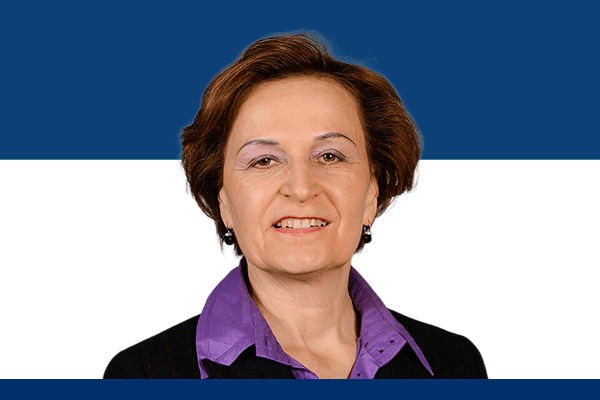
Early Life and Education
Anneli Tuulikki Jäätteenmäki was born on February 11, 1955, in Lapua, Finland. She grew up in a hardworking family and developed a strong interest in education and public affairs from an early age. She attended school in Finland and later studied law at the University of Helsinki. After completing her studies, she worked as a lawyer and legal advisor.
Her legal background helped her understand government systems, public administration, and citizens’ rights. Instead of limiting herself to legal work, she decided to enter politics and contribute directly to society.
Beginning of Political Career
Jäätteenmäki joined the Centre Party of Finland and quickly gained recognition for her communication skills and leadership qualities. She served in local government before entering national politics. In 1987, she became a member of the Finnish Parliament.
As a parliamentarian, she focused on issues such as education, equality, economic development, and social welfare. She worked actively in committees and earned respect from colleagues because of her dedication and professionalism.
During the 1990s, she strengthened her political influence and became one of the leading figures in the Centre Party. Her speeches and policy ideas attracted public attention, and many citizens appreciated her calm and practical leadership style.
Prime Minister of Finland
In 2003, Anneli Jäätteenmäki achieved a historic victory when she became Prime Minister of Finland. She became the country’s first female prime minister, an achievement that symbolized progress for gender equality in Finnish politics.
Her government focused on economic growth, employment opportunities, and improving public services. She also emphasized Finland’s role in international cooperation and European affairs. As prime minister, she represented Finland in important international meetings and worked to strengthen diplomatic relations.
However, her term faced controversy related to leaked documents about Finland’s discussions concerning the Iraq War. Political pressure increased, and after only a few months in office, she resigned in 2003. Although the resignation ended her time as prime minister, she handled the situation with dignity and remained active in public life.
Career in the European Parliament
After leaving the prime minister’s office, Jäätteenmäki continued her political journey. She became a member of the European Parliament in 2004. In this role, she worked on European Union policies, democracy, human rights, and international relations.
She actively participated in parliamentary discussions and represented Finnish interests within the European Union. Her work demonstrated her commitment to cooperation between European countries and the promotion of democratic values.
As a member of the European Parliament, she gained international experience and continued to influence political discussions beyond Finland.
Leadership Style and Achievements
Anneli Jäätteenmäki built her reputation through honesty, intelligence, and determination. She communicated clearly and focused on practical solutions to political challenges. Her historic appointment as Finland’s first female prime minister encouraged women across Europe to pursue leadership roles.
She supported equality, education, and democratic participation throughout her career. Even during difficult political moments, she remained committed to public service and continued working for the benefit of society.
Legacy and Importance
Anneli Jäätteenmäki holds an important place in Finnish political history. She broke barriers for women in leadership and demonstrated that dedication and competence can create meaningful change. Her achievements continue to inspire future generations of politicians, especially women who aspire to leadership positions.
Her career also highlights the importance of accountability and resilience in politics. Despite challenges, she continued contributing to national and international affairs with determination and professionalism.
Conclusion
Anneli Jäätteenmäki remains a significant figure in Finnish and European politics. Through her historic role as Finland’s first female prime minister and her continued work in the European Parliament, she strengthened democratic values and promoted equality. Her leadership, courage, and dedication continue to inspire people in Finland and around the world.