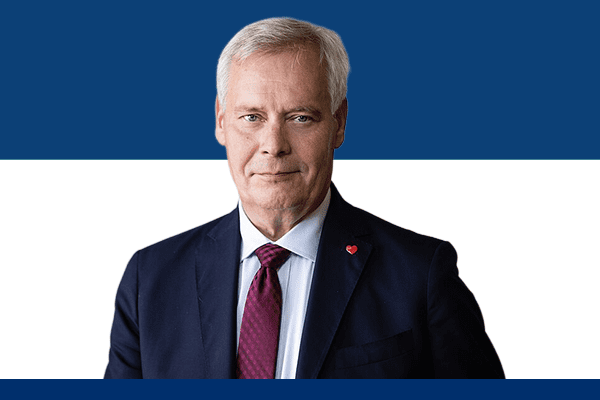
Early Life and Education
Antti Rinne was born on November 3, 1962, in Helsinki, Finland. He grew up in a middle-class family and developed an interest in politics and public service at an early age. He completed his education in law and earned a Master of Laws degree from the University of Helsinki. His legal background helped him understand labor laws, social policies, and government administration.
Before entering national politics, Rinne worked in labor unions and public organizations. He gained valuable experience while representing workers and negotiating employment agreements. These experiences shaped his political views and strengthened his commitment to fairness and equality.
Political Career
Antti Rinne joined the Social Democratic Party of Finland and gradually became one of its influential leaders. He served in several important positions before becoming prime minister. In 2014, he became the leader of the Social Democratic Party after winning the party leadership election.
Rinne also served as Finland’s Minister of Finance from 2014 to 2015. During this period, he focused on economic stability, employment growth, and responsible financial management. He encouraged cooperation between political parties and labor organizations to solve economic challenges.
In the 2019 parliamentary elections, the Social Democratic Party achieved success under Rinne’s leadership. After coalition negotiations, he became the Prime Minister of Finland in June 2019.
Prime Minister of Finland
As prime minister, Antti Rinne focused on improving social welfare, healthcare, education, and workers’ rights. He promoted policies that aimed to reduce inequality and increase social security for Finnish citizens. His government also emphasized climate action and sustainable development.
Rinne worked closely with coalition partners to create balanced policies. He encouraged dialogue and cooperation among political groups, labor unions, and businesses. His leadership reflected Finland’s tradition of consensus-based politics.
Although his term as prime minister lasted only a few months, he introduced several important discussions about labor reforms and social justice. His government also supported measures to address environmental challenges and strengthen public services.
Resignation and Later Role
In December 2019, Antti Rinne resigned as prime minister after disagreements within the coalition government regarding the handling of a postal workers’ strike. Despite his resignation, he continued serving in Finnish politics and remained an influential member of the Social Democratic Party.
His resignation demonstrated Finland’s democratic accountability and the importance of political trust within coalition governments. Rather than creating instability, the transition of leadership occurred peacefully and constitutionally.
Leadership Style and Achievements
Antti Rinne built his political career on cooperation, fairness, and social responsibility. He consistently supported workers’ rights and public welfare programs. His background in labor unions allowed him to understand the challenges faced by ordinary workers and families.
He also promoted equality in education, healthcare, and employment opportunities. Through his policies, he aimed to create a balanced and inclusive society. His leadership style emphasized negotiation and mutual respect instead of confrontation.
Legacy and Importance
Although Antti Rinne served as prime minister for a short time, he left an important mark on Finnish politics. He strengthened discussions about social justice, labor rights, and welfare policies. His political journey reflected dedication to democratic values and public service.
Rinne’s contributions continue to influence Finnish political debates, especially in areas related to workers’ rights and social equality. His leadership demonstrated the importance of cooperation and accountability in modern democratic governments.
Conclusion
Antti Rinne remains a significant figure in Finnish politics. Through active leadership and dedication to social welfare, he contributed to Finland’s democratic and social development. His career reflects commitment to fairness, equality, and responsible governance.