Mr. Archibald Primrose
In Office: 5 March 1894 – 22 June 1895
Political Party: Liberal
Home State: Mayfair
Lifespan: 1847–1929
Country: United Kingdom
Image credits available here.
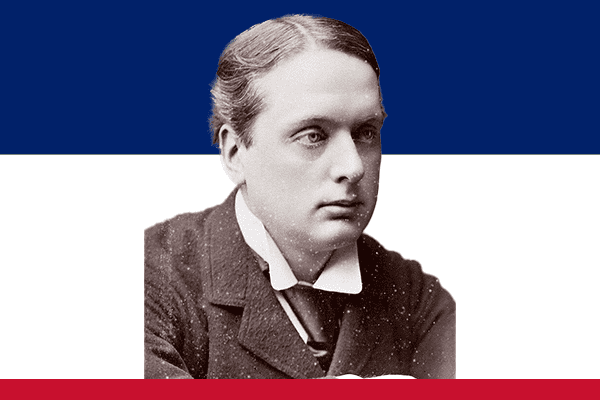
Early Life and Background
Archibald Philip Primrose was born on 7 May 1847 in London, England. He belonged to an aristocratic Scottish family and inherited the title of Earl of Rosebery at a young age after the death of his father. His privileged upbringing gave him access to excellent education and important social connections. He studied at Eton College and later attended Christ Church, Oxford, though he did not complete a degree. From an early age, he showed a deep interest in politics, literature, and public affairs.
Rosebery also became known for his love of horse racing, travel, and public speaking. His social position and wealth gave him independence, but he chose not to live a quiet aristocratic life. Instead, he entered politics and dedicated much of his life to national service.
Political Career
Rosebery joined the Liberal Party and entered the House of Lords, where he began building his reputation as a skilled speaker and thoughtful politician. During the late nineteenth century, the Liberal Party faced many challenges, including debates over Irish Home Rule, social reform, and Britain’s role in world affairs. Rosebery stood out because of his strong views on imperialism and foreign policy.
He served in important government positions before becoming Prime Minister. In 1885, he became First Commissioner of Works, where he supported improvements to public spaces and national monuments. Later, he served as Foreign Secretary in the governments of William Ewart Gladstone. In that role, he handled diplomatic matters with skill and showed a clear understanding of Britain’s international interests.
Rosebery gained respect as a leader with a modern outlook. He believed Britain should remain a strong global power while also pursuing reform at home. His combination of aristocratic confidence and political intelligence made him a unique figure within the Liberal Party.
Prime Minister of the United Kingdom
In March 1894, Archibald Primrose became Prime Minister after William Ewart Gladstone retired. At the time, the Liberal Party was deeply divided, especially over Irish Home Rule and internal leadership struggles. Rosebery accepted the office during a difficult moment and tried to unite the party while maintaining stable government.
As Prime Minister, he focused more on foreign policy and imperial matters than on domestic reform. He supported the British Empire and believed that national strength depended on international prestige. However, his government struggled to maintain unity in Parliament. Tensions between the House of Lords and the House of Commons, as well as disagreements within the Liberal Party, weakened his administration.
One of the major difficulties of his premiership was the conflict over military spending and defense policy. The government also faced criticism over its handling of domestic issues. In June 1895, the Liberal government lost a vote in the House of Commons related to army supplies. After this defeat, Rosebery resigned as Prime Minister.
Although his term lasted only about fifteen months, his leadership reflected the growing importance of imperial policy and the political instability of the era.
Later Life and Legacy
After leaving office, Rosebery remained active in public life but gradually moved away from frontline politics. He continued speaking and writing on national issues, especially foreign policy and imperial matters. Over time, he became less closely tied to the main direction of the Liberal Party, particularly as the party changed in the early twentieth century.
Archibald Primrose died on 21 May 1929. Historians remember him as a brilliant but somewhat isolated leader. His intelligence, charm, and vision earned admiration, but his short premiership limited his achievements. Even so, he remains significant as one of Britain’s notable Victorian-era Prime Ministers who bridged aristocratic politics and modern leadership.