Mr. Arthur Wellesley
In Office: 17 November 1834 – 9 December 1834
22 January 1828 – 16 November 1830
Political Party: Tory
Home State: Dublin
Lifespan: 1769–1852
Country: United Kingdom
Image credits available here.
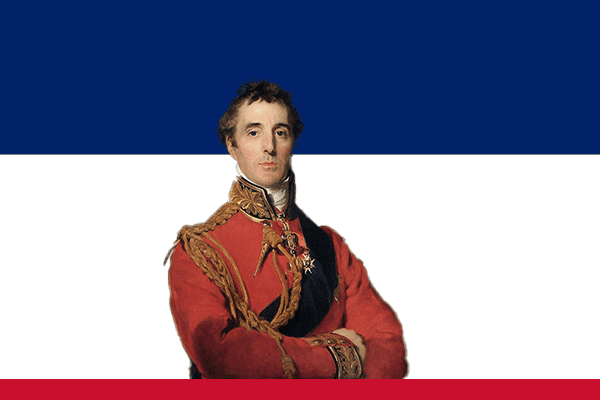
Early Life and Military Career
Arthur Wellesley was born on 1 May 1769 in Dublin, which was then part of the Kingdom of Ireland. He belonged to an Anglo-Irish aristocratic family and received his education at Eton College and later at a military academy in France.
Wellesley began his career in the British Army and quickly developed a reputation for discipline and strategic planning. He served in several campaigns in India where he achieved important victories. His success in battles such as the Battle of Assaye established him as a skilled commander. These achievements brought him promotions and respect within the British military.
Victory in the Napoleonic Wars
Arthur Wellesley became one of the key commanders in the wars against Napoleon. He led British and allied forces during the Peninsular War against French troops in Spain and Portugal. His careful planning and defensive strategies gradually pushed French forces out of the region.
His most famous victory came in 1815 when he commanded the allied army against Napoleon at the Battle of Waterloo in present-day Belgium. Wellington’s forces, together with the Prussian army, defeated Napoleon and ended the Napoleonic Wars. This triumph made Wellington one of the most celebrated military leaders in European history and secured his place as a national hero in Britain.
Political Career and Rise to Prime Minister
After his military success, Arthur Wellesley entered politics. He served in several important government positions including Master-General of the Ordnance and Foreign Secretary. His leadership and national popularity strengthened his influence in British politics.
In 1828, he became Prime Minister of the United Kingdom as a member of the Tory Party. During his time in office, he faced strong political pressure for reforms. One of the most important decisions of his government was the support of the Catholic Emancipation in 1829. This law allowed Roman Catholics to sit in Parliament and removed many restrictions that had existed for centuries. Although many conservatives opposed the reform, Wellington believed it was necessary to maintain stability in the country.
Challenges and Resignation
Despite this major reform, Wellington’s government faced criticism and political opposition. Many people demanded further political changes, including parliamentary reform. Wellington strongly opposed major reforms to the British electoral system. His resistance led to growing dissatisfaction among politicians and the public.
By 1830, his government lost support in Parliament, and he resigned as Prime Minister. After leaving office, he remained an influential figure in British politics and continued to serve in different public roles. He also advised later governments and remained respected for his military achievements.
Legacy
Arthur Wellesley left a lasting legacy as both a soldier and a statesman. His victory at the Battle of Waterloo shaped European history and ended the era of Napoleon. As Prime Minister, he handled difficult political issues and helped pass Catholic Emancipation, an important step toward religious equality in Britain.
Wellington died on 14 September 1852, but his reputation as one of Britain’s greatest military leaders and political figures remains strong. Historians continue to study his leadership, strategy, and political decisions as key parts of nineteenth-century British history.