Mr. Artur Rasizade
In Office: 31 October 2003 – 21 April 2018
20 July 1996 – 4 August 2003
Political Party: New Azerbaijan Party
Home State: Baku
Lifespan: born–1935
Country: Azerbaijan
Image credits available here.
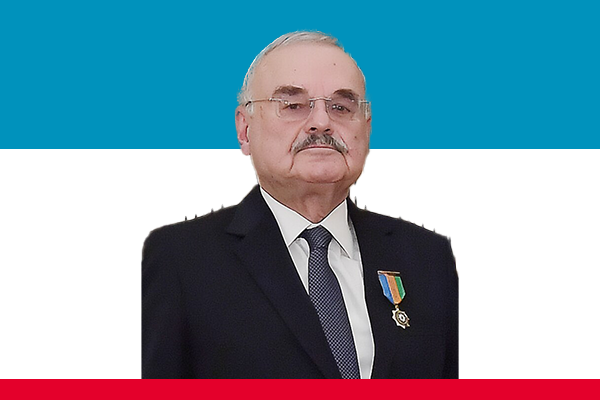
Early Life and Education
Artur Rasizade was born in 1935 in Baku, a city historically known for its oil industry and industrial importance. Growing up in an environment shaped by engineering and energy production, he developed an early interest in technical sciences. He pursued higher education in engineering, specializing in fields closely linked to industrial management and production. This technical background later became a defining feature of his political career, setting him apart as a leader focused on practical economic management rather than ideological politics.
Professional Career Before Politics
Before entering high-level politics, Rasizade built a strong reputation as an engineer and industrial manager. He worked in various technical and administrative roles within Azerbaijan’s industrial sector during the Soviet period. His career progression reflected both competence and reliability, qualities highly valued in Soviet administrative systems. By the time Azerbaijan approached independence, Rasizade had already accumulated decades of experience in managing large-scale industrial and economic projects.
Rise to the Office of Prime Minister
Artur Rasizade first became Prime Minister of Azerbaijan in the mid-1990s, a period marked by political instability, economic hardship, and the aftermath of conflict. The country faced inflation, disrupted production, and the challenge of building state institutions from the ground up. Rasizade’s appointment signaled a preference for stability and technical expertise. He later served again for extended periods, making him one of the longest-serving prime ministers in Azerbaijan’s history.
Economic and Energy Policies
One of Rasizade’s most significant contributions lay in economic stabilization and energy development. Azerbaijan’s vast oil and gas resources required careful management, foreign investment, and long-term planning. Rasizade supported policies that encouraged international cooperation while maintaining state oversight of strategic assets. Under his leadership, the government focused on rebuilding infrastructure, modernizing industry, and ensuring that energy revenues contributed to national development. His pragmatic economic outlook helped Azerbaijan achieve sustained growth during the 2000s.
Role Within the Political System
Rasizade worked closely with the presidency and operated largely as a loyal executor of broader state policies. Rather than seeking a personal political profile, he emphasized administrative efficiency and continuity. This approach made him a stabilizing figure within the government. His leadership style reflected discipline, caution, and respect for institutional hierarchy, which suited Azerbaijan’s centralized political system during its formative years.
Challenges and Criticism
Despite his long service, Rasizade also faced criticism. Some observers argued that economic reforms progressed slowly and that diversification beyond the energy sector required stronger action. Others viewed his leadership as overly cautious. Nevertheless, supporters emphasized that his steady governance helped prevent economic shocks and ensured continuity during times of regional and global uncertainty.
Legacy and Historical Significance
Artur Rasizade resigned from office in the late 2010s, marking the end of an era in Azerbaijani politics. His legacy is closely tied to state-building, economic stabilization, and the development of the energy sector. As a technocrat rather than a populist, he left behind a record defined by administrative competence and long-term planning. In the history of independent Azerbaijan, Rasizade remains remembered as a prime minister who provided stability during crucial decades of national transformation.