Mr. Atal Bihari Vajpayee
In Office: 16 May 1996 – 1 June 1996
Term 2: 19 March 1998 – 22 May 2004
Political Party: Bhartiya Janata Party
Home State: Madhya Pradesh
Lifespan: 1924–2018
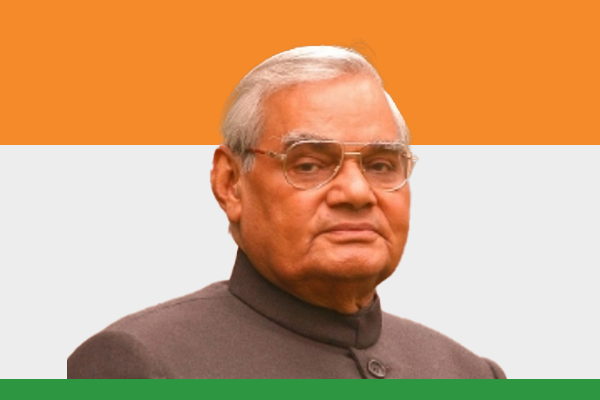
Early Life and Background
Atal Bihari Vajpayee was born on December 25, 1924, in Gwalior, Madhya Pradesh. From a young age, he showed interest in literature and politics. He studied political science and joined the Rashtriya Swayamsevak Sangh (RSS), which shaped his ideology.
Political Journey
Vajpayee began his political career with the Bharatiya Jana Sangh and was elected to the Lok Sabha in 1957. Known for his strong oratory and moderate views, he co-founded the Bharatiya Janata Party (BJP) in 1980 and helped it grow into a national force.
Prime Ministerial Tenure
He served as Prime Minister two times— from 16 May 1996 – 1 June 1996, and from 19 March 1998 – 22 May 2004. His tenure saw key achievements in defense, diplomacy, and the economy. Under his leadership, India conducted the 1998 Pokhran nuclear tests.
Diplomacy and National Security
Vajpayee combined diplomacy with strength. In 1999, he took a peace bus to Lahore, but also led India during the Kargil War, where Indian forces successfully defended national territory.
Economic and Infrastructure Reforms
His government liberalized the economy and promoted private investment. He launched the Golden Quadrilateral highway project, improving road connectivity. He also supported the growth of India’s IT industry.
Personal Life and Legacy
Vajpayee was a poet and writer, known for his deep thinking and humility. People admired his inclusive leadership. Though he retired due to health issues, his influence remained strong. In 2015, he received the Bharat Ratna.
Conclusion
Atal Bihari Vajpayee passed away on August 16, 2018. He is remembered as a visionary leader, poet, and patriot who left a lasting mark on Indian politics and development.