Mr. Barend Biesheuvel
In Office: 6 July 1971 – 11 May 1973
Political Party: Anti-Revolutionary Party
Home State: Haarlemmerliede
Lifespan: 1920–2001
Country: Netherland
Image credits available here.
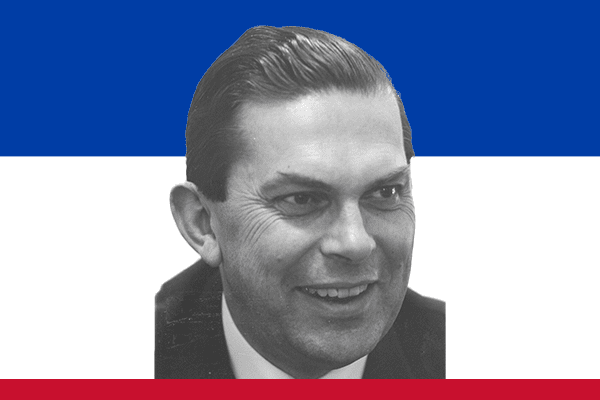
Early Life and Background
Barend Biesheuvel was born on April 5, 1920, in Haarlemmerliede, Netherlands. He grew up in a farming family, which influenced his interest in agricultural policies later in life. He pursued higher education at Wageningen Agricultural University, where he specialized in agricultural economics. His academic background provided him with the expertise that he later applied in national policymaking.
Political Career
Barend Biesheuvel began his political journey as a member of the Anti-Revolutionary Party (ARP). He quickly gained recognition for his knowledge of agriculture and economic affairs. In 1959, he entered the Dutch House of Representatives, where he actively participated in debates and policy formation.
He served in various ministerial roles, including Minister of Agriculture and Fisheries. During this period, he actively promoted agricultural modernization and worked to strengthen the Dutch farming sector. His leadership skills and dedication helped him rise within the party and national politics.
Prime Ministership (1971–1973)
Barend Biesheuvel became the Prime Minister of the Netherlands in 1971. He led a coalition government that faced significant economic and political challenges. Unlike passive leadership styles, Biesheuvel actively engaged with coalition partners to maintain stability.
His government addressed inflation, economic slowdown, and labor disputes. He took decisive actions to manage public finances and attempted to implement reforms. However, internal disagreements within the coalition created difficulties. Despite these challenges, he worked diligently to sustain governance.
His administration eventually fell in 1972 due to political conflicts, but he continued in a caretaker capacity until 1973. During this time, he ensured continuity in governance and maintained administrative stability.
Leadership Style and Contributions
Barend Biesheuvel demonstrated a practical and cooperative leadership style. He encouraged dialogue among political parties and stakeholders. Instead of relying on passive decision-making, he actively sought solutions to complex issues.
He contributed significantly to agricultural policy and economic management in the Netherlands. His efforts helped modernize the agricultural sector and strengthen the country’s economic framework. He also played a role in shaping coalition politics, which remains a defining feature of Dutch governance.
Later Life and Legacy
After leaving office, Barend Biesheuvel remained active in public life. He contributed to various advisory roles and continued to influence policy discussions. He passed away on April 29, 2001.
Historians and political analysts recognize him as a leader who navigated a challenging political landscape with determination. His tenure may have been relatively short, but his impact on Dutch politics remains significant.
Conclusion
Barend Biesheuvel’s career reflects dedication, resilience, and active leadership. He faced numerous challenges during his time as Prime Minister, yet he worked persistently to address them. His contributions to agriculture, economic policy, and coalition governance continue to influence the Netherlands today.