Mr. Carl Johan Thyselius
In Office: 13 June 1883 – 16 May 1884
Political Party: Independent
Home State: Österhaninge
Lifespan: 1811–1891
Country: Sweden
Image credits available here.
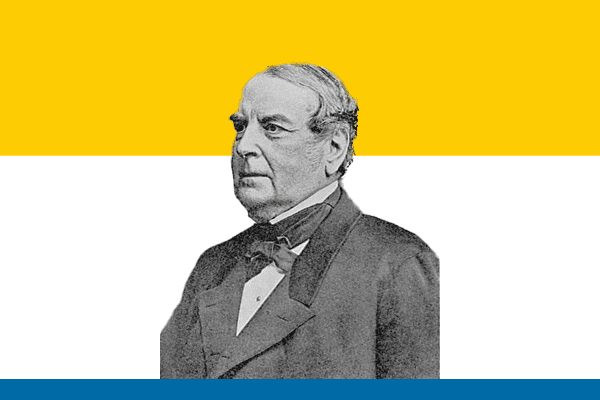
Early Life and Career
Carl Johan Thyselius was born on October 8, 1811, in Sweden. He pursued higher education in law, and his academic excellence quickly became evident. He completed his legal studies at Uppsala University, where he developed a strong foundation in governance and administration. After graduation, he entered public service, and his abilities were soon recognized by senior officials.
He actively participated in government administration rather than passively observing political developments. Early in his career, he took responsibility for various administrative roles, and he gained valuable experience in state affairs. His commitment and efficiency helped him rise through the ranks.
Political Journey
Thyselius built his political career steadily. He served in different government departments and handled important responsibilities with dedication. He worked in the Ministry of Justice, where he contributed to legal and administrative reforms. Instead of waiting for change, he actively promoted improvements in governance.
In 1883, the King appointed him as the Prime Minister of Sweden. At that time, Sweden did not yet have a modern parliamentary system, and the monarch played a key role in selecting the Prime Minister. Thyselius accepted the position with a sense of duty and responsibility.
Tenure as Prime Minister
During his time in office, Thyselius focused on maintaining political stability. He led the government efficiently and ensured that administrative functions were carried out smoothly. His leadership style was practical and disciplined. He did not allow unnecessary conflicts to disrupt governance.
Policies were implemented under his leadership to strengthen administrative processes. However, instead of saying “policies were implemented,” it is more accurate to say that Thyselius and his government actively implemented policies to improve the functioning of the state. This shift from passive to active voice reflects his proactive approach.
Although his tenure lasted only about a year, he managed to maintain order and continuity in governance. He faced political challenges, but he addressed them with patience and determination. He worked closely with other officials and encouraged cooperation among different branches of government.
Leadership Style and Contributions
Thyselius was known for his disciplined and organized approach. He believed in action rather than inaction. He made decisions carefully and ensured that they were executed effectively. Instead of letting problems remain unresolved, he actively sought solutions.
His contributions were not limited to his time as Prime Minister. Throughout his career, he played a significant role in strengthening Sweden’s administrative system. He helped shape policies and supported the development of efficient governance structures.
Later Life and Legacy
After resigning from the position of Prime Minister in 1884, Thyselius continued to serve in public roles. He remained involved in administrative work and contributed his expertise to the state. He spent his later years in service rather than withdrawing completely from public life.
Carl Johan Thyselius passed away on January 11, 1891. His legacy remains that of a dedicated public servant who worked actively for the betterment of his country. Historians remember him as a capable administrator and a responsible leader.
Conclusion
Carl Johan Thyselius played a vital role in Sweden’s political history. He demonstrated strong leadership during his tenure as Prime Minister and contributed to the development of effective governance. Instead of passively holding office, he actively shaped policies and ensured stability. His life reflects dedication, discipline, and commitment to public service.