Mr. Carl Swartz
In Office: 30 March 1917 – 19 October 1917
Political Party: National Party
Home State: Norrköping
Lifespan: 1858–1926
Country: Sweden
Image credits available here.
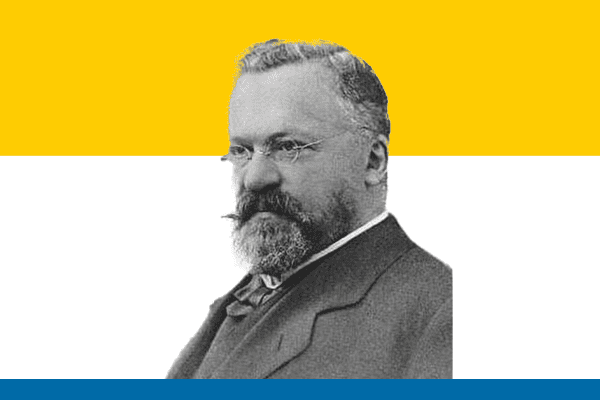
Early Life and Background
Carl Swartz was born on June 5, 1858, in Norrköping, Sweden, into a wealthy and influential family involved in the tobacco industry. He grew up in an environment that encouraged responsibility, discipline, and business acumen. Instead of relying solely on inherited wealth, he actively participated in expanding the family business and gained practical experience in management and leadership.
He pursued his education in Sweden and developed a strong understanding of economics and commerce. His early involvement in industry helped him build a reputation as a capable businessman. As a result, he earned respect not only in business circles but also in political spheres.
Entry into Politics
Carl Swartz actively entered politics as a member of the conservative movement in Sweden. He joined the Swedish Parliament (Riksdag), where he represented the interests of business and industry. Rather than remaining passive, he participated in debates and contributed to policy discussions on economic development and governance.
His political career progressed steadily due to his practical approach and clear decision-making abilities. He worked closely with other leaders and gained recognition as a reliable and effective statesman.
Role as Prime Minister
In 1917, Carl Swartz became Prime Minister of Sweden during a time of political tension and transformation. Europe was experiencing the effects of World War I, and Sweden faced internal pressures for democratic reforms. Swartz actively led the government and attempted to maintain stability in the country.
He focused on administrative efficiency and sought to address public concerns. However, the demand for broader democratic representation increased, and political opposition grew stronger. Instead of clinging to power, Swartz recognized the changing political climate and responded accordingly.
Contribution to Democratic Transition
Carl Swartz played a crucial role in Sweden’s transition toward a more democratic system. He engaged in negotiations with opposition leaders and contributed to the process that eventually led to parliamentary democracy. His willingness to cooperate and adapt demonstrated political maturity.
Rather than resisting reform, he acknowledged the importance of public participation in governance. This approach helped Sweden avoid major conflict during a sensitive period in its history.
Personal Life
Carl Swartz maintained a balanced life between his professional responsibilities and personal commitments. He remained closely connected to his family and business interests throughout his career. His disciplined lifestyle and strong values influenced both his personal and public life.
Even after leaving political office, he continued to contribute to Swedish society through his involvement in business and community affairs.
Legacy and Significance
Carl Swartz left a lasting impact on Sweden’s political development. He actively supported the transition from traditional governance to a more democratic system. His leadership during a challenging period ensured stability and continuity.
Historians often remember him as a pragmatic and responsible leader who understood the importance of change. His ability to balance tradition with progress highlights his significance in Swedish history.
Conclusion
Carl Swartz stands out as an important figure in Sweden’s journey toward democracy. Through active leadership and thoughtful decision-making, he helped guide the nation during a time of transformation. His contributions continue to be recognized as part of Sweden’s political heritage.