Early Life and Education
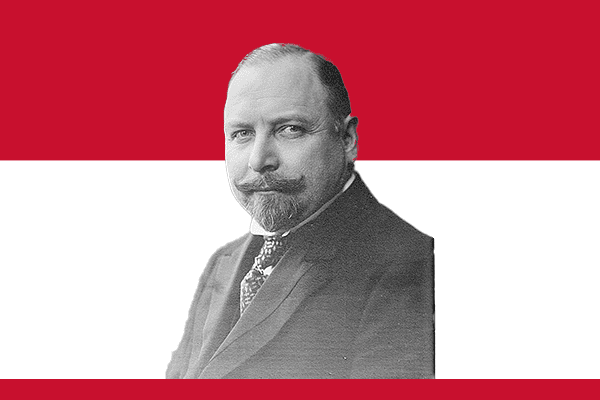
Carl Theodor Zahle was born on January 19, 1866, in Roskilde, Denmark. He came from a middle-class family that valued education and public service. During his childhood, Zahle developed a strong interest in politics and social issues. He attended local schools and later studied law at the University of Copenhagen.
After completing his legal studies, Zahle worked as a lawyer. His legal background strengthened his understanding of justice, constitutional law, and public administration. Instead of focusing only on personal success, he became interested in improving society through politics.
Entry into Politics
Carl Theodor Zahle joined the Danish Social Liberal Party, also known as the Radikale Venstre Party. The party supported democracy, social reforms, and peaceful international relations. Zahle quickly gained recognition for his intelligence, honesty, and debating skills.
In 1895, he became a member of the Danish Parliament. He actively worked on issues such as education, social equality, and constitutional reforms. Zahle believed that political leaders should protect democratic institutions and improve the lives of ordinary citizens.
First Term as Prime Minister
In 1909, Carl Theodor Zahle became Prime Minister of Denmark for the first time. Although his first government lasted only a short period, he introduced important reforms and strengthened parliamentary democracy. He encouraged cooperation between political parties and promoted peaceful political solutions.
His leadership style reflected patience, diplomacy, and careful decision-making. Instead of using authority aggressively, Zahle preferred dialogue and negotiation.
Leadership During World War I
Zahle returned as Prime Minister in 1913 and led Denmark during World War I. Although many European countries entered the conflict, Zahle successfully maintained Denmark’s neutrality. His government worked hard to protect Danish independence and prevent the country from becoming involved in the war.
Maintaining neutrality required strong diplomatic skills and careful planning. Zahle balanced relationships with powerful neighboring countries while protecting Denmark’s economy and security. His calm and practical leadership helped Denmark avoid the destruction experienced by many European nations.
Democratic Reforms and Achievements
One of Zahle’s greatest achievements was his support for democratic reform. In 1915, Denmark adopted a new constitution that expanded voting rights. Women and many working-class citizens gained the right to vote for the first time. Zahle strongly supported these reforms because he believed democracy should include all citizens.
He also promoted educational improvements and social welfare policies. Through his efforts, Denmark moved toward a more equal and modern society. Zahle’s reforms strengthened public trust in democratic government.
Political Challenges
Despite his achievements, Zahle faced political opposition and criticism. Some conservative groups disagreed with his reforms and leadership style. In 1920, a political conflict known as the Easter Crisis led to the dismissal of Zahle’s government by King Christian X.
The crisis created tension between the monarchy and democratic institutions. However, the Danish people strongly supported parliamentary democracy, and the event eventually strengthened democratic traditions in Denmark.
Legacy and Historical Importance
Carl Theodor Zahle left a lasting impact on Danish politics and democracy. His leadership during World War I protected Denmark from conflict, while his democratic reforms expanded political rights for citizens. He demonstrated that careful diplomacy and respect for democratic values could guide a nation through difficult times.
Historians remember Zahle as a principled and intelligent leader who valued peace, equality, and constitutional government. His contributions helped shape modern Denmark and inspired future political leaders.
Conclusion
Carl Theodor Zahle played a major role in strengthening Danish democracy and guiding the nation through important historical events. Through active leadership, democratic reforms, and peaceful diplomacy, he earned respect both in Denmark and abroad. His legacy continues to influence Danish political values and democratic traditions today.