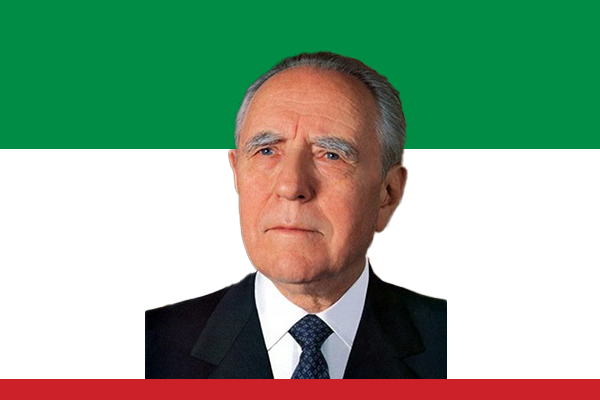
Prime Minister Carlo Azeglio Ciampi: Guiding Italy Through Change
Carlo Azeglio Ciampi, a distinguished Italian statesman, actively shaped Italy’s economic and political landscape. Born on December 9, 1920, in Livorno, Ciampi pursued a career that combined finance, public service, and political leadership. He actively worked to strengthen Italy’s economy, modernize public institutions, and uphold democratic values, earning widespread respect as both Prime Minister and President.
Early Career in Finance and Public Service
Ciampi began his career in public administration after graduating in economics and law. He actively joined the Bank of Italy, where he held key positions and influenced monetary policy. In 1979, he became the Governor of the Bank of Italy, and during his tenure, he actively guided the country through economic challenges, including inflation control and currency stabilization. Ciampi actively promoted Italy’s integration into the European monetary system, preparing the country for future participation in the European Union’s economic framework.
Ministerial Roles and Economic Reforms
Ciampi served as Minister of the Treasury in the early 1990s, and he actively implemented measures to stabilize Italy’s economy. He actively worked on fiscal reforms, deficit reduction, and modernization of public finance management. His leadership ensured that Italy met the Maastricht criteria, enabling the country to participate fully in the European Monetary Union. Ciampi actively communicated the importance of economic discipline and transparency to both policymakers and the public, earning recognition for his pragmatic approach and financial expertise.
Prime Minister of Italy
Carlo Azeglio Ciampi became Prime Minister in 1993, leading a government of experts during a period of political upheaval. He actively focused on restoring public trust in institutions, combating corruption, and implementing economic and administrative reforms. Ciampi actively coordinated policies that promoted fiscal responsibility, economic competitiveness, and European integration. His leadership emphasized collaboration with all political parties, ensuring stable governance during a challenging period in Italian politics.
During his tenure, Ciampi actively advocated for Italy’s role in the European Union, reinforcing Italy’s commitment to European unity. He actively supported policies that strengthened Italy’s international credibility and economic stability, balancing domestic reforms with global engagement.
Presidency and Continued Influence
After serving as Prime Minister, Ciampi was elected President of Italy in 1999, a role in which he actively promoted national unity, democratic values, and civic responsibility. He actively encouraged Italians to embrace cultural and institutional reforms, emphasizing education, civic engagement, and European integration. Even after completing his presidency in 2006, Ciampi actively contributed to public debates, shared his expertise in finance and governance, and inspired younger generations of political and economic leaders.
Legacy and Recognition
Ciampi’s career demonstrates active leadership, principled governance, and dedication to Italy’s economic and political stability. He actively strengthened Italy’s institutions, promoted responsible financial management, and guided the country through periods of uncertainty. Historians and political analysts recognize Ciampi as a stabilizing force whose decisions helped shape Italy’s modern economic and political identity.
Carlo Azeglio Ciampi’s life reflects active service, visionary leadership, and unwavering commitment to Italy. From his early work in finance to his tenure as Prime Minister and President, he actively guided the nation through reforms, international integration, and democratic strengthening, leaving a lasting legacy of prudence, integrity, and progress.