Mr. Chang Taek-sang
In Office: May 6, 1952 – October 5, 1952
Political Party: Independent
Home State: Chilgok
Lifespan: 1893–1969
Country: South Korea
Image credits available here.
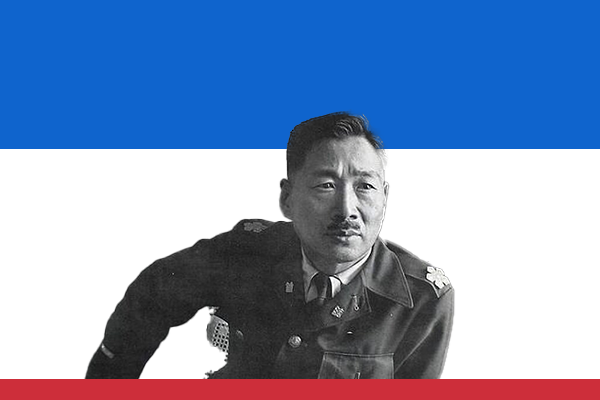
Early Life and Rise in Public Service
Chang Taek-sang emerged as one of the significant political figures in the early years of the Republic of Korea. Born in the final years of the Joseon Dynasty, he grew up during a turbulent era of colonial occupation and national resistance. He pursued education with ambition, and his studies shaped his strong belief in national sovereignty. He actively opposed Japanese rule and supported Korean independence efforts, which established his early reputation as a committed nationalist.
After Korea’s liberation in 1945, Chang returned to public life with renewed determination. He participated in political organizing, joined various nationalist circles, and worked to rebuild Korea’s governance. His early administrative roles revealed his ability to manage complex political environments, which eventually encouraged national leaders and the public to view him as a dependable statesman.
Path to Prime Minister
The political landscape of newly independent South Korea demanded leaders who could provide structure and stability. Chang Taek-sang stepped into this environment with confidence. He served as the first Minister of Home Affairs, where he strengthened internal security and coordinated administrative systems in the formative stages of the government.
His strong leadership in the ministry helped him gain the trust of President Syngman Rhee. As tensions rose on the peninsula, Chang demonstrated strategic thinking and decisive action. When the Korean War began in 1950, he handled internal affairs with urgency, coordinating responses, managing civilian safety, and reinforcing the nation’s resilience. His performance elevated his profile as a key figure capable of leading the government during crisis.
Tenure as Prime Minister
Chang Taek-sang became the third Prime Minister of South Korea in 1952. He entered office during one of the most difficult moments in the country’s history. The Korean War continued, and the government faced pressure both internally and internationally.
He immediately focused on strengthening administrative capacity. He coordinated with military leaders, managed resource distribution, and encouraged national morale. His leadership aimed to ensure that civilians received support while the government maintained stability.
Chang also addressed diplomatic concerns. He worked closely with allies and promoted South Korea’s international standing. He supported negotiations that aimed to secure favorable conditions for the country’s future. Throughout his term, he emphasized national survival, effective administration, and the protection of democratic governance.
Political Challenges and Resignation
Despite his efforts, Chang navigated a political atmosphere filled with tension and conflict. Disagreements between political factions and disputes over wartime strategy created friction within the government. Chang defended his decisions firmly, but opposition forces criticized aspects of his leadership.
President Rhee’s government often dealt with internal power struggles, and Chang found himself at the center of these debates. Eventually, political pressure increased, and he resigned from the position. His departure did not diminish his influence, but it signaled how challenging leadership had become in a nation struggling through war.
Later Years and Legacy
After leaving office, Chang continued to participate in political and public discussions. He wrote and spoke about national issues, including security, independence, and political ethics. He openly criticized policies that he believed harmed democratic principles. His willingness to express his views preserved his reputation as a strong and independent thinker.
Chang’s legacy reflects his contributions to South Korea’s early state-building process. He helped stabilize government systems, guided citizens during national crisis, and defended the nation’s interests with conviction. His leadership during wartime demonstrated courage, clarity, and dedication to the future of South Korea.